
TL;DR: Quick Navigation
-
Luxury Bathroom Vanities: The Centerpiece of Elegant Bathroom Designers
-
The Influence of Italian Design in Luxury Bathroom Furniture
-
Common Mistakes to Avoid When Selecting Luxury Bathroom Furniture
Introduction: Why Luxury Bathroom Furniture Matters
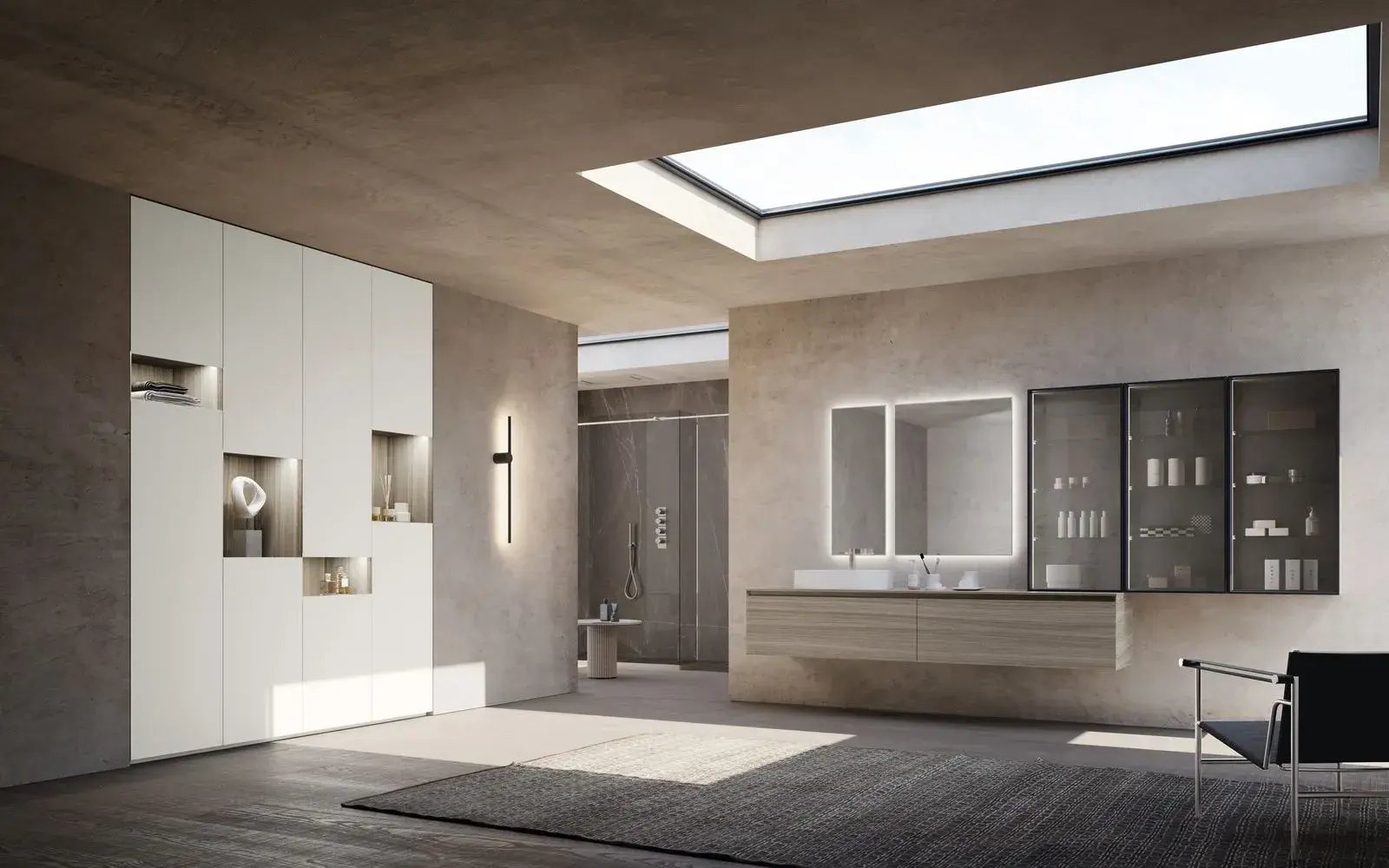
Luxury bathroom furniture turns a functional bathroom into a refined, durable, and deeply personal space. The best solutions do more than hold a sink or hide toiletries; they shape how the room feels, how smoothly daily routines work, and how well the design will endure over time.
The modern bathroom has evolved from a purely practical room into a personal wellness sanctuary. Homeowners and designers now treat the bathroom as a tranquil oasis where materials, lighting, storage, and craftsmanship support rest as much as function. A well-crafted vanity, mirror, cabinet, or storage element can create calm, elevate beauty, and bring modern sophistication to the entire house.
True luxury is defined by more than appearance. Premium bathroom furniture combines high-end materials, moisture-resistant construction, precise hardware, tailored storage, and timeless design. Luxury bathroom designs focus on fine-furniture construction with bespoke finishes, meaning furniture is built with the same attention to proportion, door style, finish quality, and joinery that you would expect in a refined living space.
Whether the project is a dream bathroom in a new home, a full renovation, or a focused vanity replacement, the right furniture can improve storage, complement the architecture, increase property value, and make everyday life feel more elegant. The most successful choices balance design, materials, craftsmanship, customization, and longevity.
What Defines Luxury Bathroom Furniture?
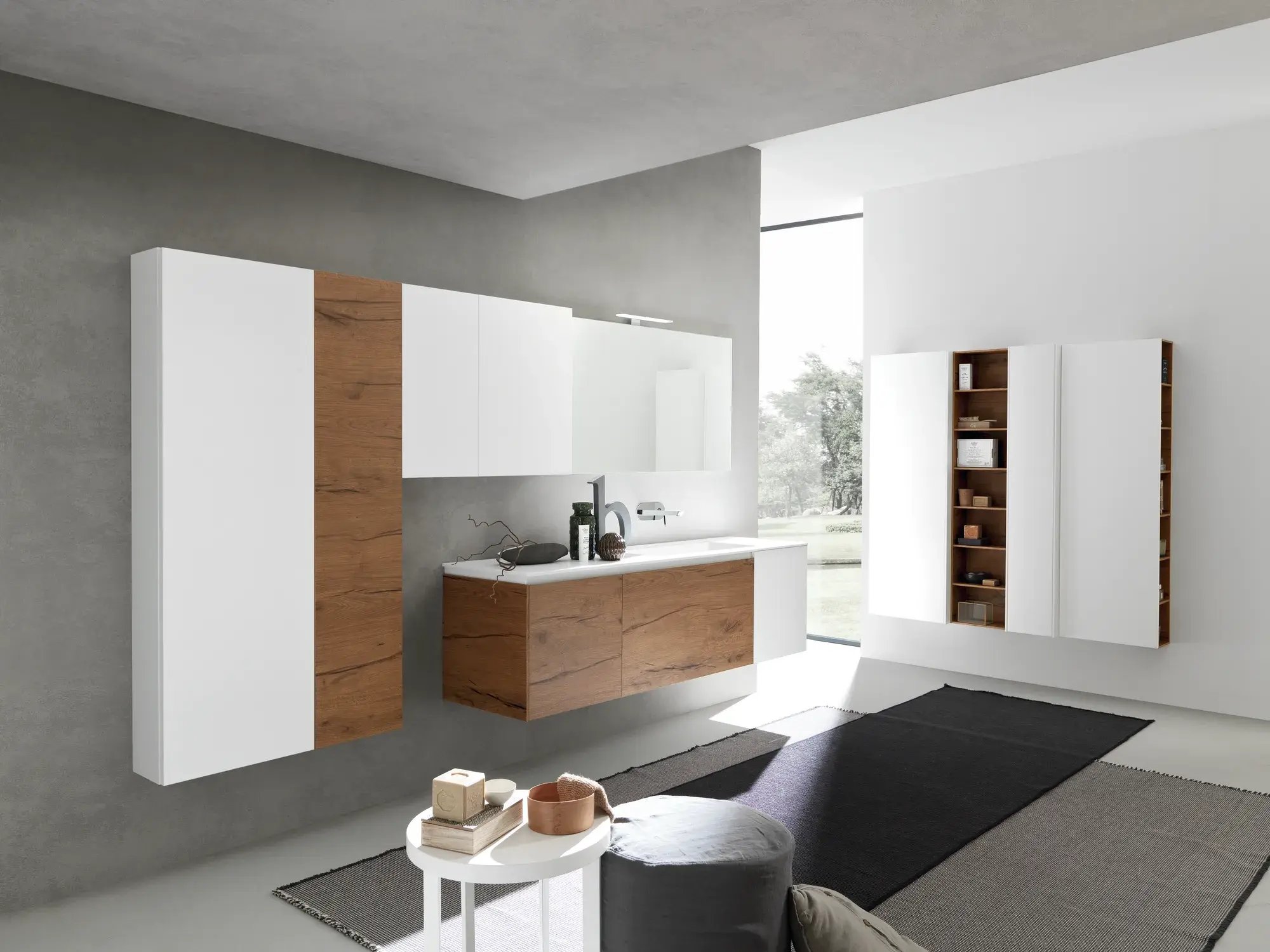
Luxury bathroom furniture is furniture designed for beauty, daily performance, and long-term use in a high-humidity environment. It includes bathroom vanities, bathroom cabinets, linen towers, wall-mounted storage, mirrors, and integrated sink units crafted with refined materials and thoughtful details.
Beyond Storage: The Role of Furniture in Bathroom Design
Bathroom furniture is no longer just a practical storage solution. It is often the visual anchor of the bathroom. A vanity can set the style of the room, establish clean lines, introduce natural wood warmth, or create a strong architectural statement.
In a luxury bathroom, furniture helps create a cohesive interior design statement. The vanity, sink, mirror, lighting, hardware, wall surfaces, and flooring should feel connected rather than selected separately. A marble countertop, an oak cabinet front, and brushed metal hardware can work together to create understated elegance when proportions and finishes are carefully coordinated.
Elevated, tailored solutions balance beauty and practicality. Luxury storage solutions are designed to keep clutter out of sight, so the bathroom feels calm rather than crowded. High-end vanities feature a mix of organizational drawer configurations, including deep drawers, shallow grooming trays, integrated dividers, and compartments for daily essentials.
Comfort is equally important. A carefully designed vanity height, smooth drawer operation, ample counter space, and an optimized storage layout can simplify morning and evening routines. When the furniture reflects how clients actually live, the bathroom becomes not just beautiful, but genuinely useful.
Key Characteristics of Premium Bathroom Furniture
Luxury bathroom furniture is usually defined by six core qualities:
|
Characteristic |
What It Means in Practice |
|---|---|
|
Superior construction quality |
Strong frames, precise joinery, durable drawers, and moisture-resistant interiors |
|
High-end materials and finishes |
Solid hardwoods, marine-grade engineered materials, natural stone, quartzite, porcelain, glass, Fenix, lacquer, veneer, and refined metals |
|
Attention to detail |
Crisp detailing, smooth edges, elegant hardware, and tactile, high-touch finishes |
|
Tailored design options |
Custom configuration, design flexbility, robust material options and cohesive, coordinating solutions |
|
Long-term durability |
Furniture built to endure humidity, daily use, and changing style preferences |
|
Timelessness |
Furnitures that remain elegant and visually appealing across decades, transcending fleeting trends. |
The Value of Customization and Design Flexibility
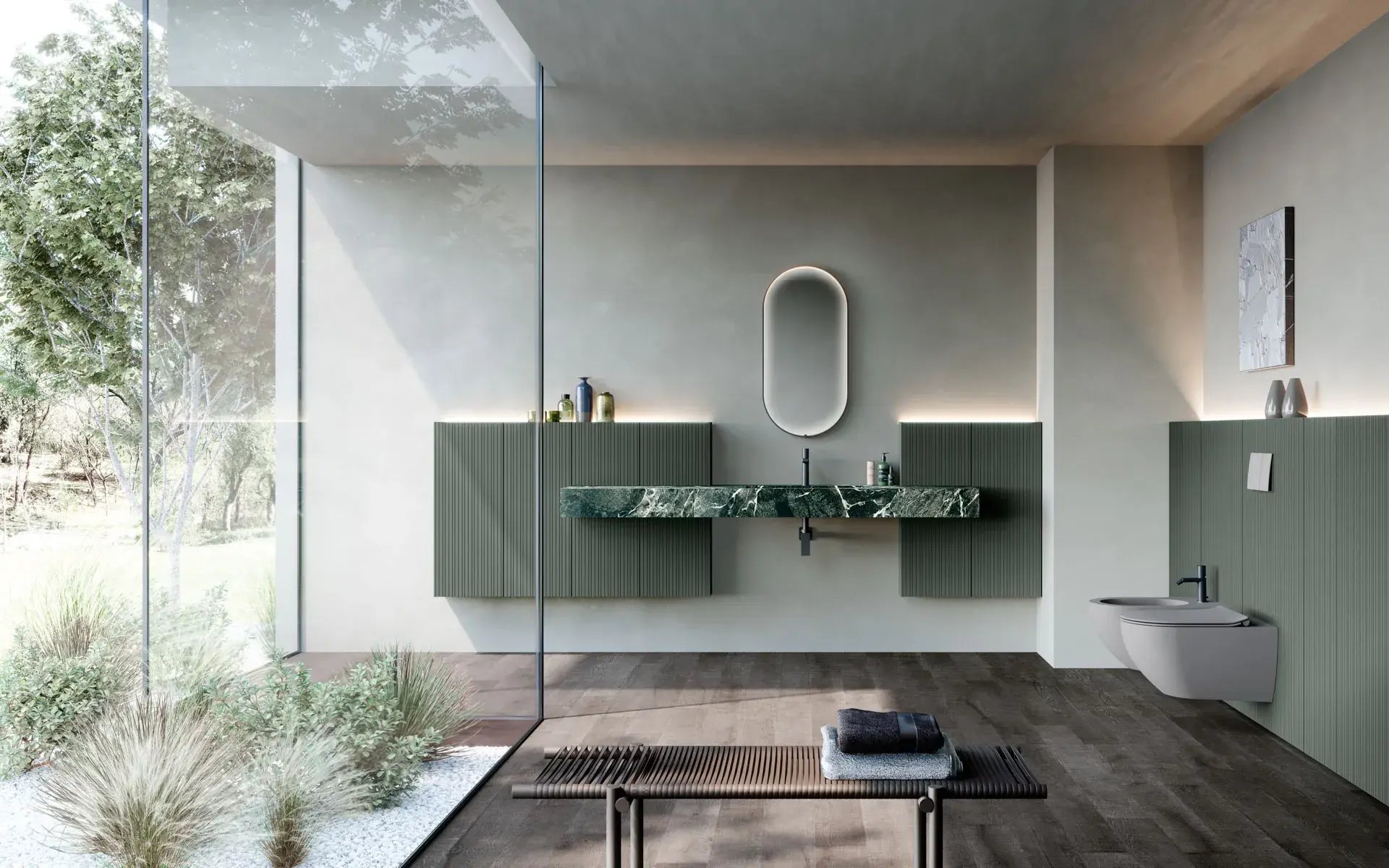
Customization is one of the clearest differences between standard bathroom cabinets and luxury bathroom furniture. A mass-produced vanity may fit a general need, but a bespoke or modular system can be shaped around the room, the user, and the design vision.
Why Personalization Matters in Luxury Bathrooms
A luxury bathroom should reflect individual style and lifestyle needs. Some clients want a minimalist, modern design with a floating vanity and concealed storage. Others prefer a furniture-style cabinet with a classic door style, warm walnut, and marble. Some need a double vanity for a busy family bathroom, while others want a dramatic powder room element that creates a wow moment for guests.
Personalization also helps create a unique and bespoke environment. Vanities and bathroom cabinets can be crafted to exact specifications including size and finish, allowing designers and homeowners to coordinate furniture with architecture, lighting, flooring, and fixtures. Custom bathroom furniture can include bespoke sizes and colors, making it easier to achieve a refined and cohesive result.
Designing around architectural constraints is another major benefit. Older homes, city apartments, and compact bathrooms often have plumbing offsets, uneven walls, unusual niches, or restricted circulation. Custom furniture can accommodate and morph to fit those realities instead of forcing the space to accept a standard box.

Custom Sizing and Configurations
Made-to-measure vanity solutions allow the furniture to fit the room precisely. This is especially valuable when the project involves a narrow bathroom, a long primary suite wall, a sloped ceiling, or a specific sink placement.
Modular furniture systems offer another form of flexibility. They allow homeowners and designers to combine drawers, open shelves, tall cabinets, mirrors, and countertops into a tailored composition, supporting luxury bathroom vanity storage solutions that maximize organization and aesthetics. At Hastings Bath Collection, our modular systems and dynamic design framework empower over 1,000,000+ configuration possibilities, delivering infinite design options while maintaining a simple, ease-to-use product experience.
Single and double vanity options should be selected based on room dimensions and daily use. A single vanity may be perfect for a powder room or guest bath, while a double vanity can reduce friction in a shared primary bathroom. Interest for double vanities has increased dramatically in recent years, reflecting the demand for comfort, function, and generous storage.
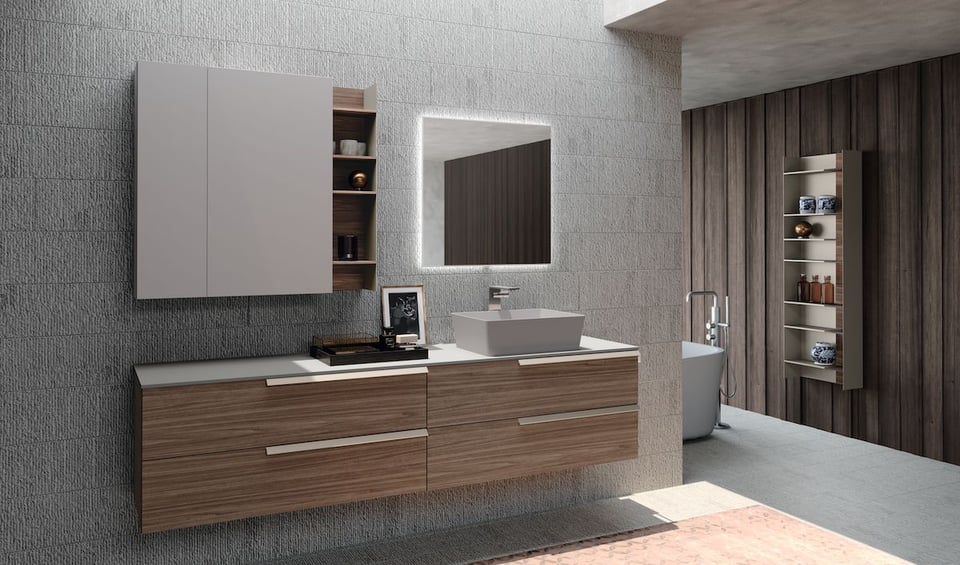
Wall-mounted and freestanding designs create very different effects. Floating vanities create an airy aesthetic and make spaces appear larger. They also make cleaning easier and support a lighter, more modern look. Freestanding vanities, by contrast, can feel more like fine furniture and may be suitable for classic, transitional, or statement-driven interiors, so understanding the differences between floating vs. freestanding vanities for your bathroom design can clarify which direction best fits your space.
Lead times vary. Customizable bathroom cabinetry can be built in 10-12 weeks in some programs, while more complex custom luxury vanities often require longer planning, fabrication, and installation timelines. A knowledgeable showroom team can help discuss what is realistic for the scope of the project.
Tailored Storage Solutions
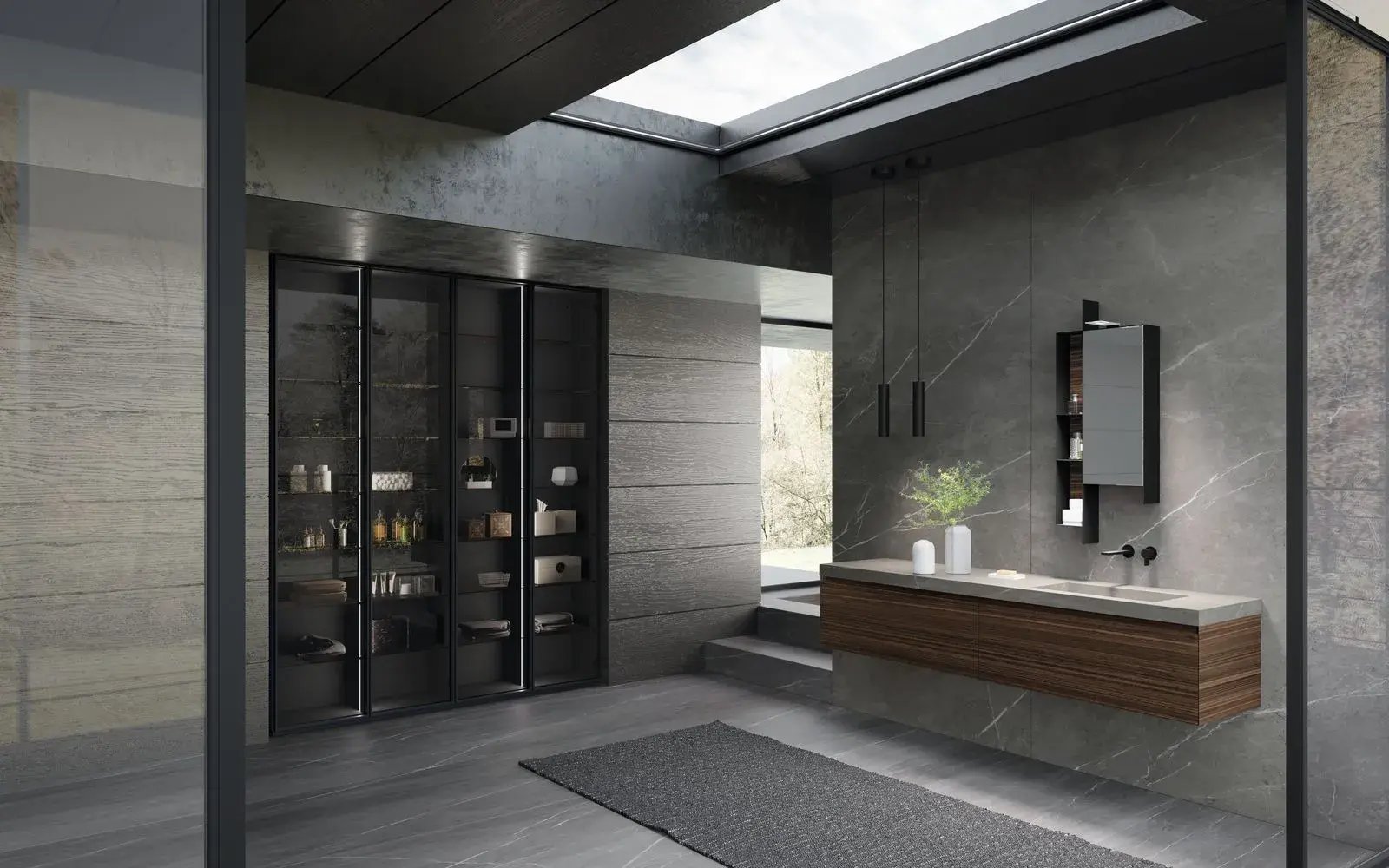
Luxury storage should feel intuitive. Hidden storage compartments, integrated organizers, and custom drawer layouts keep clutter under control without making the room feel over-designed, especially in minimalistic bathroom designs that maximize storage space.
High-end vanities feature a mix of organizational drawer configurations because different items require different storage. Hair tools, skincare, towels, cleaning products, and grooming items should not all be forced into one large cabinet cavity. Shallow drawers, inner drawers, interior dividers, electrical integration, and pull-out systems offer creative ways to add aesthetic storage to your bathroom and help create a more professional, user-friendly design.
A well-planned vanity can also maximize space efficiency. In compact bathrooms, wall-mounted cabinets and mirrored storage can add function without visual heaviness. In larger bathrooms, tall storage towers and double vanities can create symmetry, elegance, and a sense of calm, especially when you apply design tips for styling high-end bathroom vanities that balance proportion, lighting, and finishes and incorporate modern bathroom storage cabinets and shelving for cohesive organization.
Design Flexibility for Different Interior Styles
Luxury bathroom furniture should adapt to the architecture and style of the home. Contemporary and minimalist bathrooms often rely on sleek, linear vanities, frameless cabinetry, integrated sinks, and clean lines. Sleek, linear vanities represent a contemporary aesthetic, especially when paired with matte finishes, natural stone, and discreet hardware.
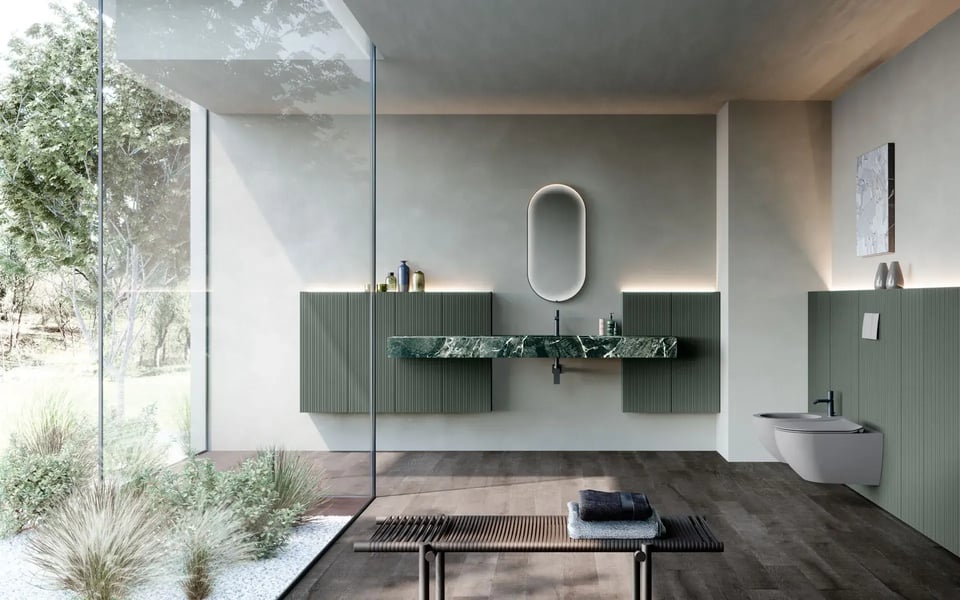
Transitional and modern-classic spaces may combine a furniture-style vanity with warm wood, marble, refined pulls, and a shaped mirror. Architectural and statement-driven interiors may explore sculptural forms, fluted fronts, dramatic stone, or bold proportions.
Coordination is essential. Furniture should complement fixtures, surfaces, and lighting. A vanity in natural oak may pair beautifully with warm metals and soft plaster walls, while a deep walnut cabinet can ground a bright marble bathroom. Wood is the new white for bathroom vanities in 2026, and natural wood tones are trending for bathroom vanities in 2026, which reflects a broader movement toward warmth, texture, and authenticity.
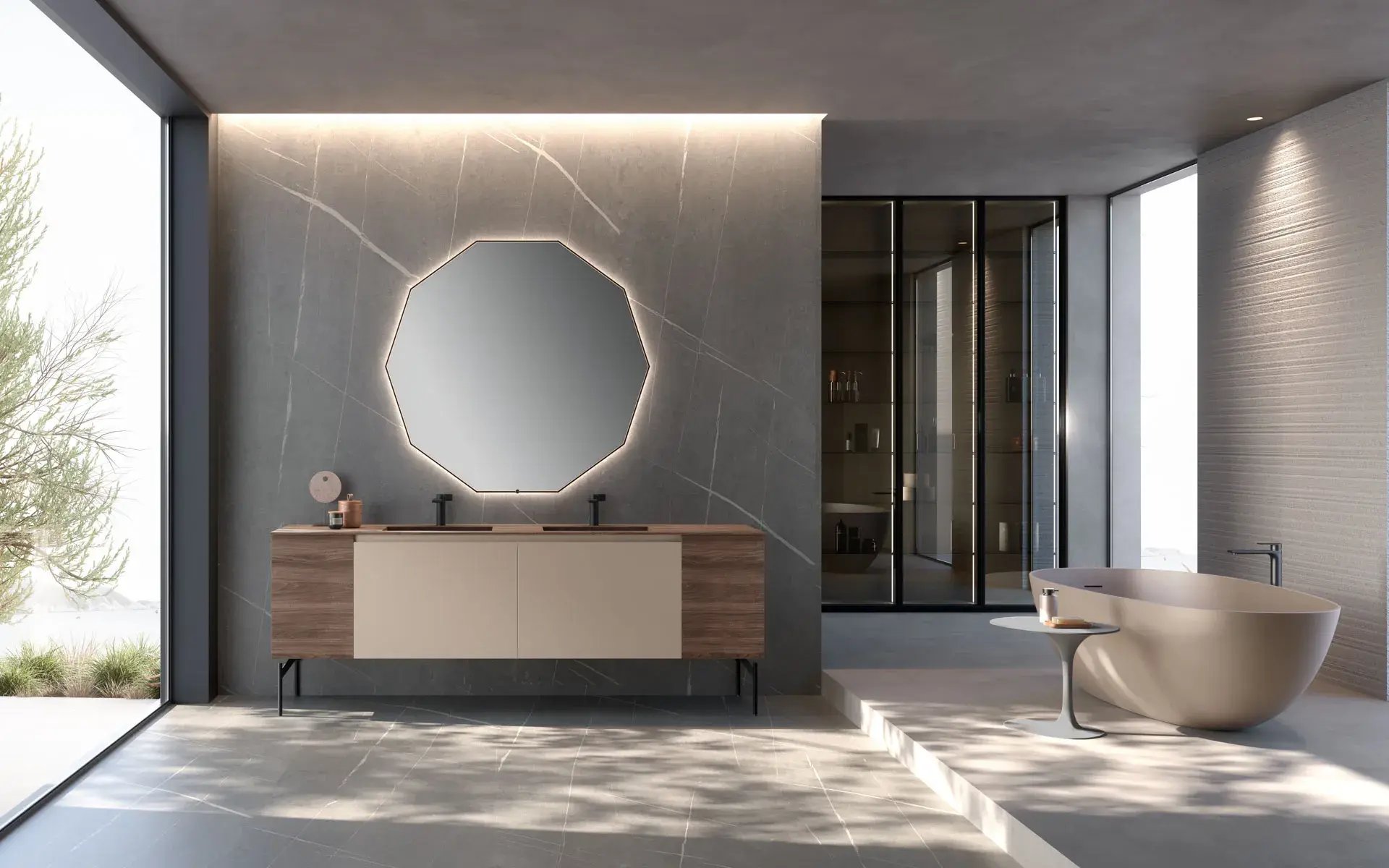
Luxury Bathroom Vanities: The Centerpiece of Elegant Bathroom Design
Luxury bathroom vanities serve as both functional storage solutions and striking design elements that define the character of a bathroom. Customizable luxury bathroom vanities offer a perfect blend of aesthetics and practicality, providing ample space for essentials while enhancing the overall ambiance.
High-end vanities and luxury bathroom cabinets often feature customizable drawer configurations, including deep storage for towels, shallow trays for grooming tools, and integrated organizers to keep daily items neatly arranged. This thoughtful organization supports a seamless daily routine and reduces clutter, contributing to a calm, spa-like environment.
Design flexibility is another hallmark of luxury vanities and cabinets. Options range from sleek, floating models that create an airy, contemporary feel to freestanding pieces that resemble fine furniture, suitable for classic or transitional interiors. Carefully chosen vanity materials that modernize your bathroom, such as natural wood, engineered composites, and stone countertops, combine durability with refined beauty.
Luxury vanities and bathroom cabinets also embrace advanced craftsmanship and premium hardware, including soft-close drawers and corrosion-resistant fixtures, ensuring long-lasting performance. Hastings offer design customization with tailor-made bathroom vanities and cabinets tailored to unique client requirements, and extensive modular configurations to fit any space.
Choosing the right luxury vanity or bathroom cabinet invites you to discover the perfect balance of form and function, elevating your bathroom into a personalized retreat that reflects your style and enhances daily living.

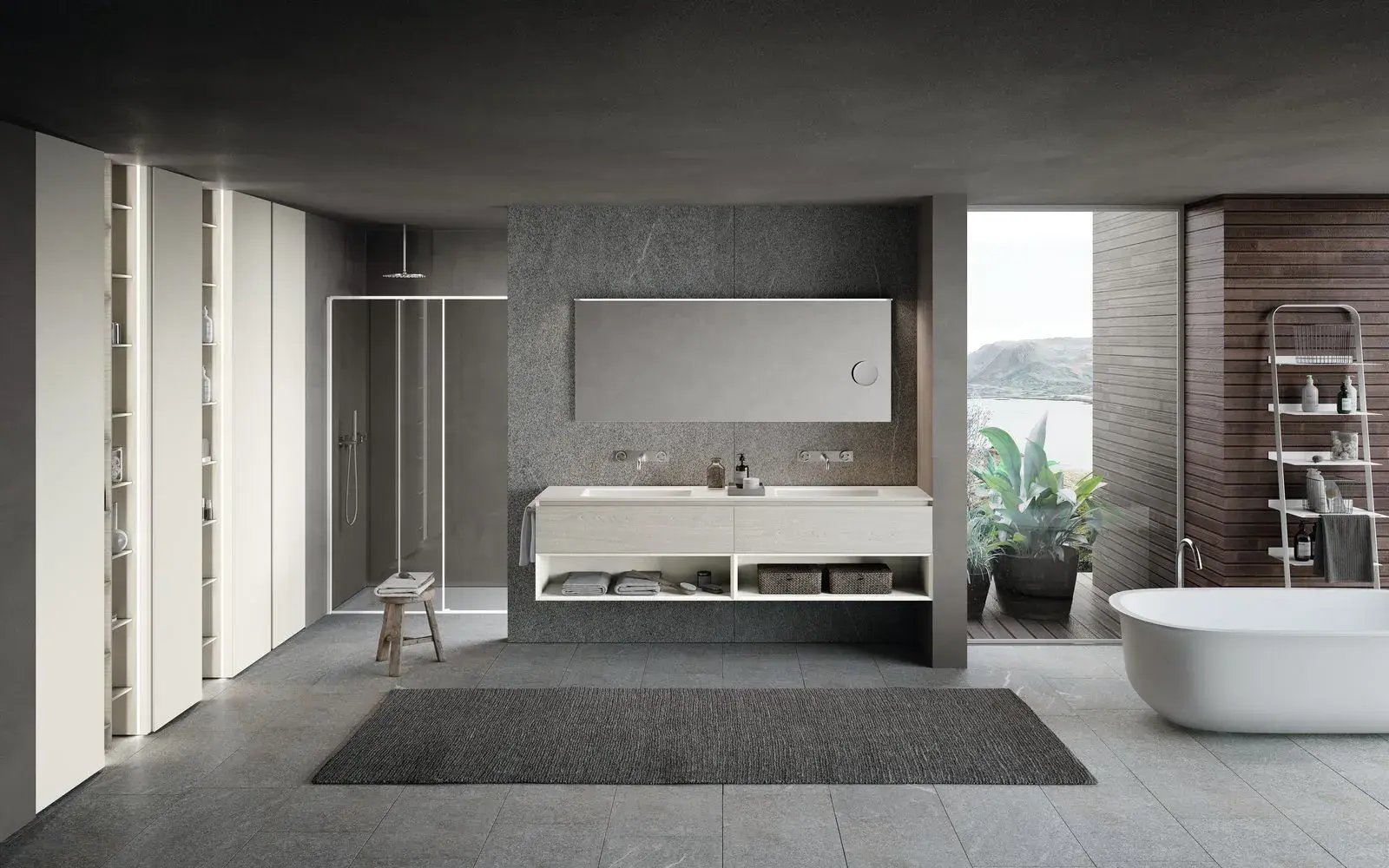
Exceptional Craftsmanship: The Foundation of Luxury
Craftsmanship is what turns attractive bathroom furniture into furniture that performs beautifully year after year. It determines how drawers glide, how doors align, how finishes age, and how the furniture responds to moisture and daily use.
The Art of Furniture Making
Luxury furniture begins with skilled artisanship. This may include careful wood selection, precise milling, hand finishing, and assembly methods that respect the material. Wood moves with humidity, so the best furniture is crafted to accommodate that movement rather than fight it.
Traditional techniques often work alongside modern innovation. Frame-and-panel construction, dovetail or mortise-and-tenon joinery, and careful veneer matching may be combined with advanced lacquers, engineered substrates, and CNC precision. Focus on furniture with integrated technology for modern conveniences like LED lighting when the goal is a modern bathroom that feels effortless and refined.
Precision manufacturing processes matter because small inaccuracies become obvious in a bathroom. Uneven gaps, misaligned drawers, and poorly sealed edges can undermine both beauty and performance.
Details That Distinguish Luxury Furniture
The details reveal the quality. Seamless joinery and construction create visual refinement and structural strength. Soft-close mechanisms and premium hardware improve daily use, reduce noise, and help protect the furniture from impact.
Premium hardware should feel substantial, operate smoothly, and resist corrosion. Drawer slides should support the expected load, and hinges should maintain alignment over time. Door and drawer reveals should remain straight and consistent even after years of use.
Finishing is equally important. Edges, end grain, undersides, and interior surfaces should be sealed because these areas are most vulnerable to moisture. A luxury vanity should look refined outside and inside. Consistent quality across every component is part of what separates high-end furniture from pieces that only look impressive in a showroom.
Handcrafted vs. Mass-Produced Furniture
Handcrafted furniture often gives clients greater design individuality, better quality control, and stronger long-term performance. Hastings Bath Collection proudly speaks to its deep Italian ties dating back to the mid-1960s, reflecting a longstanding commitment to Italian craftsmanship and meticulous attention to detail that permeates every design. Our luxury bathroom furniture is made to the highest industry standards, blending traditional hand-made techniques with modern innovation to deliver exceptional quality and timeless elegance. Each piece is crafted with care, showcasing the artistry and precision that define true Italian-made luxury, ensuring that every vanity and cabinet not only meets but exceeds the expectations of discerning clients seeking enduring beauty and performance.
Mass-produced furniture can be suitable for some projects, but it often relies on thinner substrates, generic dimensions, limited finishes, and less refined hardware. The design may mimic luxury, but the performance can fall short if the materials are not suited to bathroom humidity. While some clients may be tempted by the idea of transforming other casegoods for bath use, purpose-built pieces are better suited to moisture, daily use, and lasting finish quality.
The performance and longevity advantages of handcrafted or carefully engineered furniture become clear over time. Better construction reduces maintenance, helps prevent warping, and preserves the elegance of the room. To experience the materials firsthand, we invite clients to visit the showroom for a more informed selection process.
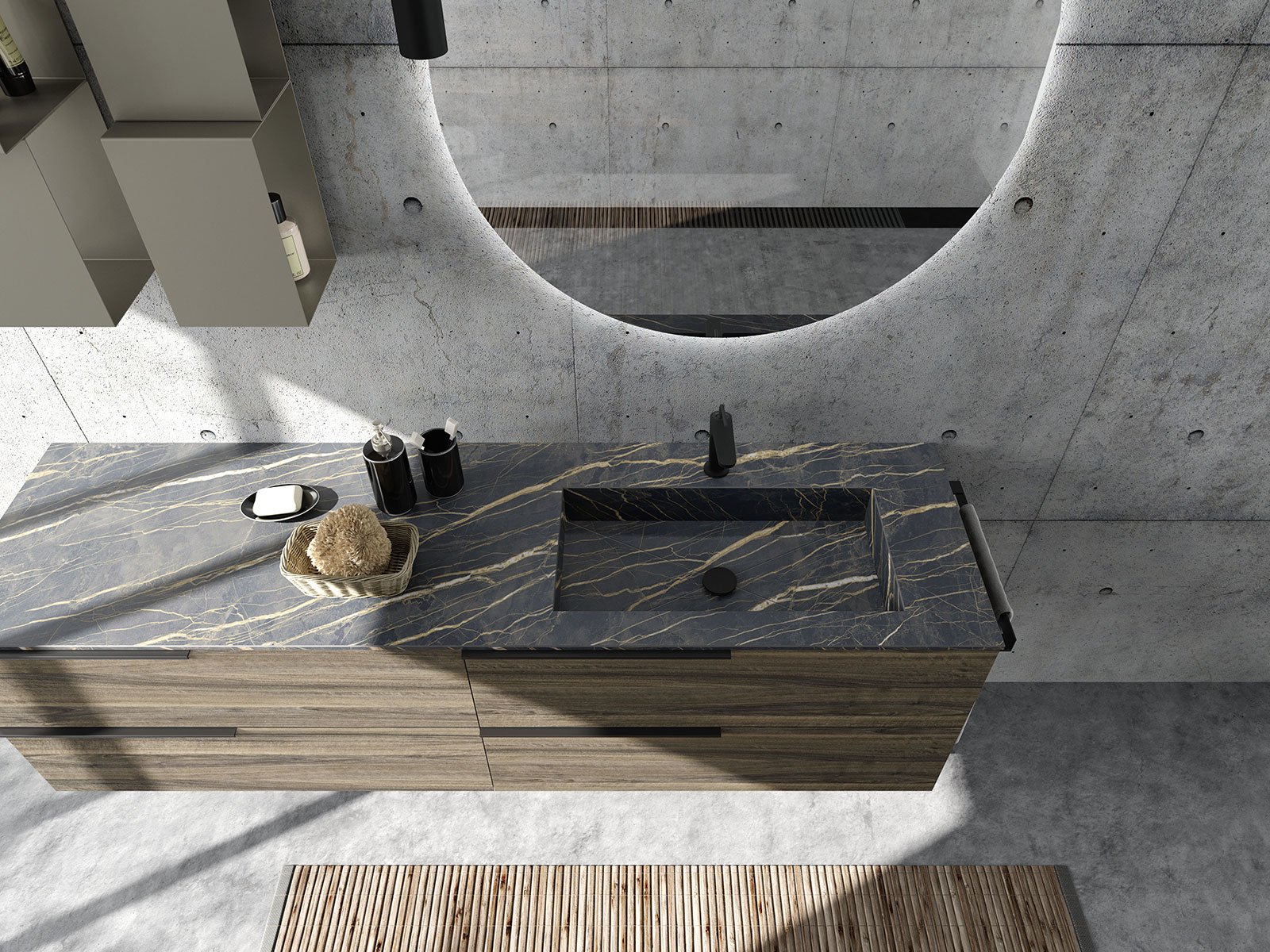
Premium Materials and Finishes
Materials and finishes determine how bathroom furniture looks, feels, and survives. A beautiful finish is not enough; it must be suitable for humidity, cleaning, temperature shifts, and daily contact.
High-End Materials Used in Luxury Bathroom Cabinets and Furniture
Natural wood remains one of the most desirable luxury materials. Oak, walnut, maple, cherry, and teak bring warmth, grain, and organic character to the bathroom. Natural colors like walnut and oak are timeless for vanities, and they can complement both classic and modern interiors.
Wood is the new white for bathroom vanities in 2026, reflecting the move away from stark, flat finishes and toward natural texture. Natural wood tones are trending for bathroom vanities in 2026 because they make the bathroom feel warmer, calmer, and more connected to the rest of the house.
Engineered and moisture-resistant performance materials are also essential. High-end furniture should use solid hardwoods or marine-grade engineered plywood, especially in areas exposed to moisture. High-pressure laminate, glass, lacquer, and Fenix vanity materials are important options for modern luxury bathrooms because they can offer durability, dimensional stability, and a refined matte surface. Fenix is especially valued for its soft-touch appearance, fingerprint resistance, and contemporary feel.
Stone and solid surface elements add beauty and durability. Natural stones like marble and quartzite offer high durability for countertops when properly selected, fabricated, and maintained. Marble creates classic elegance, while quartzite can provide dramatic movement with strong performance. Quartz countertops offer consistency, durability, and a practical surface for daily life.
Glass is a timeless material in luxury bathroom furniture, valued for its elegant beauty and versatile finishes. Available in glossy, reflective surfaces or sand-blasted matte textures, glass enhances any bathroom design with either sleek shine or subtle softness. Despite common misconceptions, high-quality tempered glass is strong, scratch-resistant, and durable in humid environments. This blend of aesthetic appeal and resilience makes glass a popular choice for luxury vanities, cabinet doors, and decorative accents that endure over time.
Premium metal components and hardware complete the furniture. Solid brass, stainless steel, bronze, and brushed metal finishes can create sophistication while resisting corrosion. Hardware should not be treated as an afterthought; it is one of the most frequently touched elements in the bathroom.
Luxury Finish Options
Wood veneers and natural textures provide visual depth while allowing designers to achieve consistent grain, refined shapes, and lighter-weight construction. A well-crafted veneer can be luxurious when properly sealed and applied over a stable substrate.
Lacquered finishes in matte, satin, and gloss create a different kind of refinement. Matte and satin finishes feel contemporary and soft, while gloss can create a more polished, dramatic effect. Color applications have shifted toward warm neutrals, clay, deep woods, navy, and earth-inspired tones rather than cold, stark white.
High-pressure laminate and Fenix deserve special attention in luxury finish planning. These engineered surfaces can support modern design, clean lines, and practical durability. They are especially useful when a client wants a refined, minimal look with strong resistance to fingerprints, scratches, or daily wear.
Textured and specialty surfaces add tactile interest. Fluted fronts, ribbed wood, micro-textures, stone surfaces, and sculptural shapes can create a remarkable sense of depth. The goal is not decoration for its own sake, but a material experience that feels crafted, refined, and suitable for the room.
How Premium Materials Contribute to Performance
Luxury bathroom furniture requires moisture-resistant materials designed for high-humidity environments. Resistance to humidity and temperature changes depends on carefully selected materials, sealed edges, stable substrates, strong adhesives, proper ventilation, and finishes designed for bathroom use.
Improved durability over time comes from choosing the right material for the right application. A beautiful painted surface may fail if applied over a poor substrate. A natural stone counter may stain if not sealed correctly. A wood vanity may last for decades if the wood is properly dried, constructed, and finished.
Premium materials also support aesthetic longevity. Enginnered stone, warm wood, refined metals, and simple proportions tend to age better than overly trend-driven surfaces. They develop character rather than looking quickly outdated.
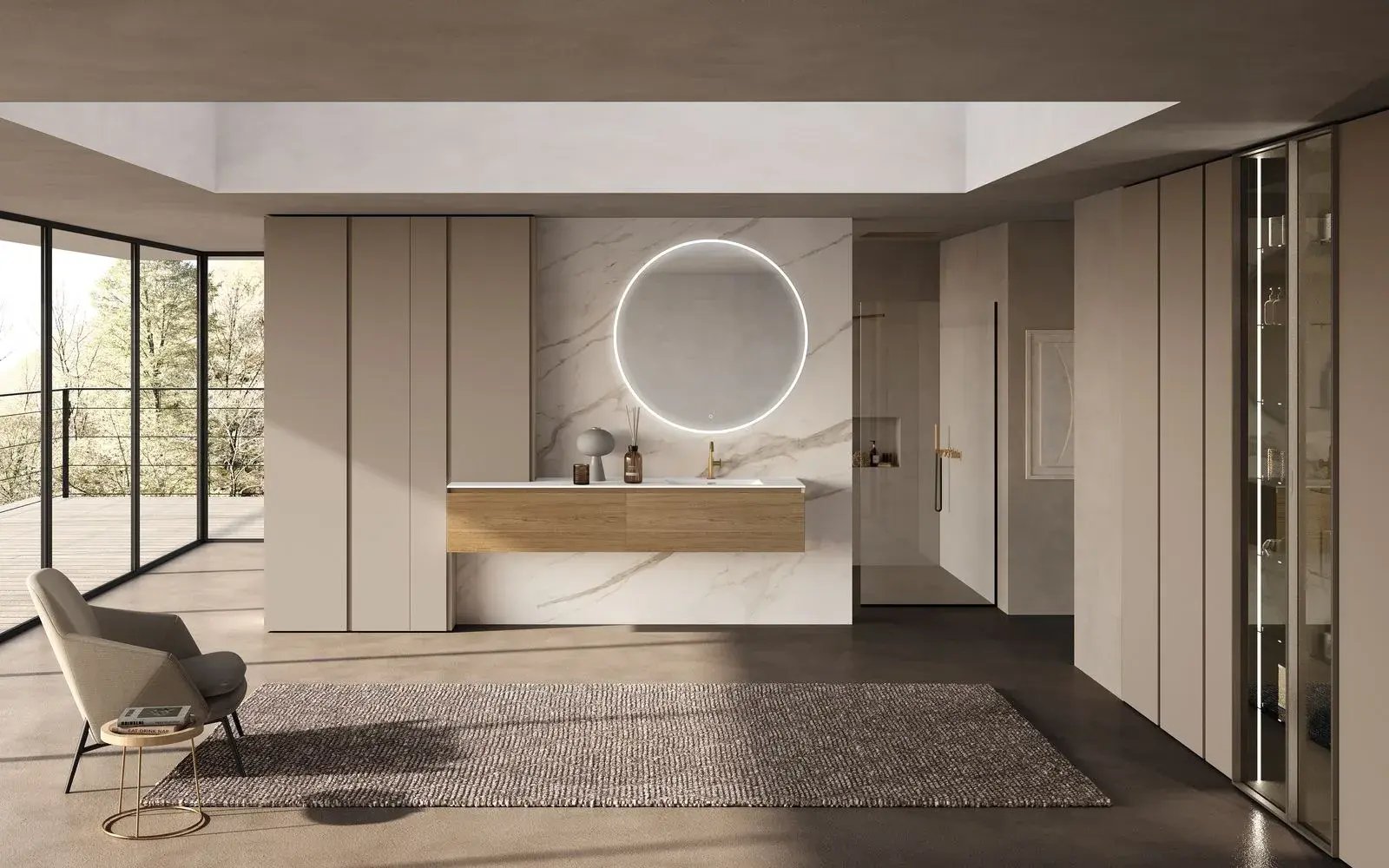
The Influence of Italian Design in Luxury Bathroom Furniture
Italian design has a powerful influence on luxury bathroom furniture because it combines beauty, function, innovation, and restraint. It treats the bathroom as architecture, not just a room filled with products, a philosophy reflected in Hastings’ luxury bathroom designs and furniture collection and the broader story of the Hastings Bath Collection.
Why Italian Design Is Globally Recognized
Italian design is globally recognized for its heritage of craftsmanship and innovation. From marble and cabinetry traditions to modern organic design, Italy has long understood how to create objects that feel both functional and beautiful.
The balance of beauty and functionality is central. Italian bathroom furniture often appears simple at first glance, but the simplicity is carefully resolved. Proportion, line, material transitions, and hidden details create elegance without excess.
Italy also leads in contemporary furniture design. Many Italian brands think in systems: vanities, mirrors, cabinets, basins, lighting, and surfaces are designed to work together. This creates cohesion and helps designers achieve a complete vision, as seen in Hastings’ Italian-crafted luxury bathroom designs and furniture.
Hallmarks of Italian Bathroom Furniture
The hallmarks include sophisticated aesthetics, clean architectural lines, refined proportions, and attention to detail. Italian bathroom furniture often uses floating forms, flush surfaces, hidden hardware, integrated basins, and precise edges.
Luxury modern vanities often feature sleek, linear designs, which aligns closely with Italian minimalism. These shapes can create a sense of modern sophistication without making the room feel cold.
Italian bathroom furniture is renowned for its exceptional craftsmanship, innovative spirit, ingenious design solutions, and refined aesthetics. The mainstay of Italian craftsmanship lies in meticulous attention to detail, combining traditional handwork with cutting-edge manufacturing techniques to achieve superior quality and durability. Creativity drives Italian designers to explore new materials, modular systems, and functional features that adapt seamlessly to diverse bathroom architectures. Ingenuity is evident in clever storage solutions, integrated technology, and space-saving designs that elevate both usability and style.
The approach frequently embraces modern aesthetics, emphasizing clean lines and functional simplicity. The minimalist ethos is evident in the sleek, uncluttered surfaces and the thoughtful integration of storage, creating bathrooms that feel spacious and calm. This modern, minimal design philosophy prioritizes both beauty and usability, resulting in furniture that complements contemporary interiors while maintaining timeless appeal. By blending innovation with restrained elegance, Italian bathroom furniture sets a benchmark for minimalist luxury that resonates worldwide.
Italian Design and Contemporary Luxury Bathrooms
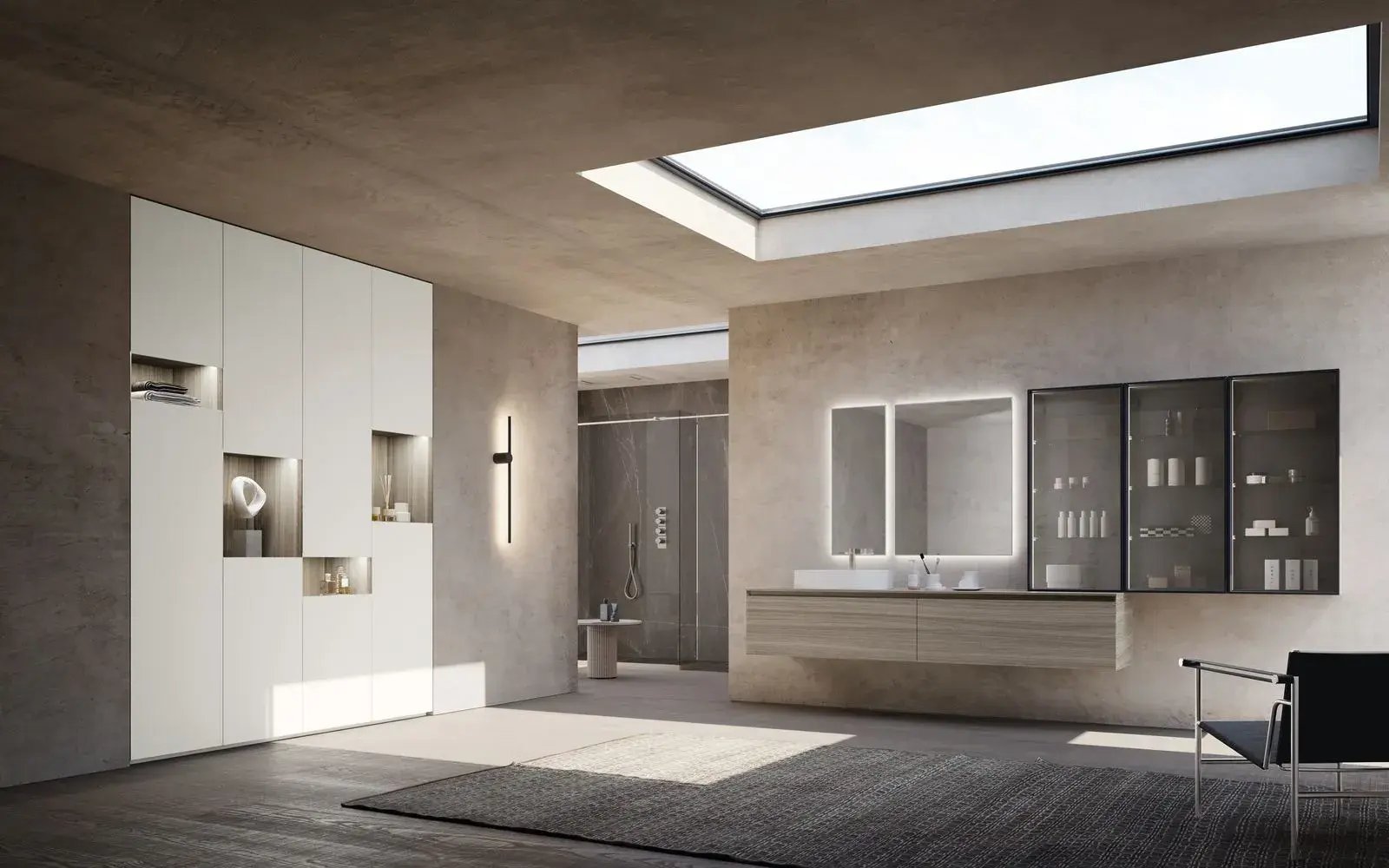
Italian design helps create timeless interiors by focusing on proportion, material quality, and usability. It influences global design trends, including floating vanities, integrated sinks, concealed storage, and organic bathroom shapes.
In contemporary luxury bathrooms, Italian design often combines elegance with practicality. A wall-hung vanity can visually expand the space by freeing up floor area, making even compact bathrooms feel airy and open. Concealed drawers with soft-close mechanisms keep countertops impeccably clear, offering seamless storage for everyday essentials while enhancing the room's sleek appearance. Refined mirrors, often featuring integrated LED lighting or anti-fog technology, provide both functional illumination and a clean, minimalist look that avoids visual clutter. Additionally, Italian design frequently incorporates innovative features such as hidden compartments for toiletries, touch-activated faucets, and modular cabinetry that adapts to diverse spatial needs—each element meticulously crafted to blend style with usability without compromising the room’s serene ambiance.
This approach is especially valuable for clients who want a dream bathroom that feels modern but not disposable. Italian design encourages homeowners and designers to explore furniture that is quiet, refined, and built to endure.
Enduring Quality and Long-Term Longevity
Longevity is one of the clearest signs of true luxury. A piece of bathroom furniture should not merely look good on installation day; it should remain beautiful, functional, and structurally sound for years.
Why Longevity Is a Hallmark of Luxury
Looking beyond short-term trends is essential when selecting luxury bathroom furniture. A highly fashionable finish or unusual shape may feel exciting now but become tiring quickly. Timeless design relies on proportion, material integrity, and restraint.
Maximizing value over time means considering cost per year of use, not just purchase price. A well-crafted vanity with durable hardware, moisture-resistant materials, and a classic form may cost more upfront but require fewer replacements and repairs.
Reducing replacement costs also reduces disruption, and likely total overall cost. Bathroom renovations are intrusive, and replacing failed furniture can involve plumbing, stone, flooring, and wall repairs. Investing in quality from the start protects both the design and the project budget.
Structural Durability and Performance
Strong and durable construction techniques are crucial. Look for solid frames, stable engineered panels, sealed interiors, and strong drawer boxes. High-quality components should include premium metal glides, corrosion-resistant hardware, and finishes designed for daily cleaning.
Resistance to daily wear and environmental stress is especially important in the bathroom. Steam, splashes, cosmetics, cleaning products, and temperature changes can damage unsuitable furniture. Luxury bathroom furniture requires moisture-resistant materials designed for high-humidity environments because ordinary furniture construction is not enough.
A durable vanity should also support the countertop and sink properly. Natural stone, quartzite, marble, and quartz can be heavy, so the cabinet structure must be suitable for the load, especially when pairing it with luxury bathroom sink basins that add both visual and functional presence.
Timeless Design vs. Passing Trends
Enduring design is usually simple, balanced, and material-led. Clean lines, natural stone, warm wood, elegant hardware, and refined proportions are more likely to remain relevant than exaggerated details.
Maintaining visual relevance over decades does not mean avoiding all trends. It means using trends carefully. Fluting, for example, can be beautiful when integrated with the architecture, but it should not overwhelm the room. Natural wood, walnut, oak, marble, and soft neutral palettes tend to create lasting appeal.
High-end furniture often incorporates vintage and transitional styles for elegance because those references give a bathroom a sense of history and comfort. A modern-classic vanity can feel current without being trapped in a single design moment.
Sustainability Through Longevity
Sustainability in luxury furniture is often tied to lifespan. Reduced consumption and waste come from buying fewer, better pieces. A vanity that can be repaired, refinished, or maintained over many years is usually a more responsible investment than a lower-quality piece that must be replaced quickly.
Longer product life cycles reduce landfill waste and make better use of materials. Solid wood may require significant resources, but it can often be refinished. Engineered materials can also be responsible when they improve durability and reduce replacement frequency.
Responsible investment in quality furniture means asking about material origin, warranty, replacement parts, finish care, and long-term support. Longevity is not only a design idea; it is a practical commitment.
How to Choose the Right Luxury Bathroom Furniture
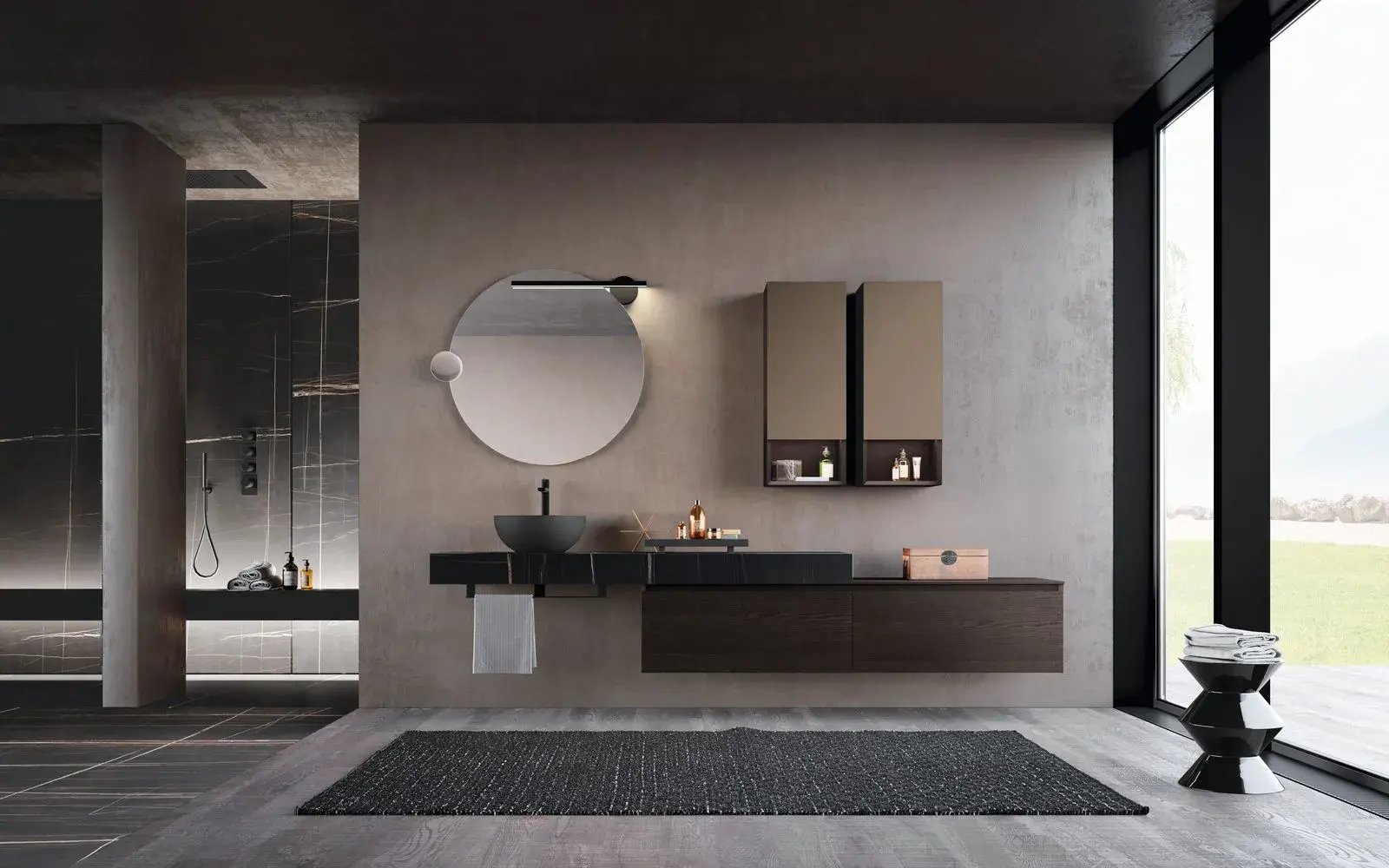
Choosing luxury bathroom furniture requires a clear understanding of the space, the project type, the desired style, and the performance requirements. Exploring the advantages of modern bathroom design can also clarify how best to balance beauty, storage, function, and long-term value.
Assessing Your Space, Requirements and Project Type
Your architect, designer, or dedicated design team should assist you in starting with room dimensions and layout considerations. They will measure wall lengths, ceiling heights, door swings, window positions, plumbing locations, and circulation paths to ensure that a vanity that looks beautiful online will also function well in your specific space without issues like drawers hitting doorways or plumbing interfering with storage.
The type of project you are undertaking—whether new construction, a full or partial renovation, or simply replacing existing furniture—requires different planning approaches. New construction offers the most freedom because plumbing and electrical can be placed around the furniture. A full renovation allows major changes but requires coordination with contractors. A partial renovation may need furniture that works with existing surfaces. Replacing existing furniture often requires exact measurements and careful attention to plumbing.
Your design team will also help assess storage needs and daily usage patterns to guide the configuration. For example, a family bathroom needs durable finishes and generous storage, while a guest bathroom may prioritize beauty and a compact footprint. A primary bath might require dual sinks, integrated organizers, LED lighting, and a mix of drawers and cabinets.
Finally, your architect or designer will help determine whether the bathroom is single-user or family-oriented, which affects material selection. A lightly used powder room can support a more delicate statement piece, while a high-use family bathroom needs durable surfaces, strong hardware, and easy-clean finishes.
Evaluating Quality Indicators
Evaluate construction methods and material specifications before choosing. Look for solid hardwoods, marine-grade engineered plywood, high-pressure laminate, Fenix, sealed interiors, and properly finished edges. Ask how the piece is built, not only what it looks like.
Finish quality should be smooth, consistent, and suitable for bathroom conditions. Inspect corners, edges, drawer interiors, and underside surfaces. Hardware performance should feel quiet, stable, and precise. Doors and drawers should align evenly.
Customization options available can be a major quality indicator. Hastings Bath Collection offers a vast range of vanity configurations, demonstrating how modular choices can support a wide variety of spaces, including options like the Urban Collection of Italian bathroom furnishings. Our vanities can be crafted to exact specifications including size and finish, tailored to meet unique client requirements.
Balancing Design, Functionality, and Investment
Establish priorities before a brand may invite you to visit the showroom in person or connect virtually with a design team. Decide whether the project is driven mainly by storage, style, durability, sustainability, or a specific architectural vision, and consider consulting resources like an ultimate style guide for luxury bathrooms to clarify your direction.
Understanding total value versus upfront cost is essential. Luxury furniture may require a larger initial investment, but it can deliver better daily function, longer life, fewer repairs, and stronger property appeal.
The best choice meets both aesthetic and practical goals. A luxury bathroom vanity should complement the mirror, sink, lighting, floor, wall finish, and architecture. It should also make daily routines easier. When beauty and function work together, the bathroom feels effortless.
Dream Bathroom: The Ultimate Expression of Luxury Bathroom Furniture
Creating a dream bathroom is about more than just selecting beautiful pieces; it is about crafting a harmonious environment where every element—from furniture to fixtures—works together to elevate daily living. Exploring a curated range of luxury bathroom products and design solutions can help align these elements. Luxury bathroom furniture plays a pivotal role in this vision by combining exquisite design, superior craftsmanship, and personalized functionality. Whether your inspiration comes from contemporary minimalism, classic elegance, or Italian design heritage, the right furniture transforms the space into a sanctuary that reflects your unique style and lifestyle needs.
A dream bathroom balances aesthetics with performance, ensuring that vanities, storage, and surfaces not only look stunning but also withstand the challenges of a humid environment over time. Customization and design flexibility allow you to tailor each piece to fit architectural nuances and practical requirements, making your bathroom truly one-of-a-kind. Investing in premium materials and finishes guarantees durability and timeless appeal, while meticulous craftsmanship ensures every detail is perfected.
Ultimately, a dream bathroom is a retreat that enhances comfort, organization, and beauty, creating a lasting impression that goes beyond trends. It is a space that acknowledges your personal vision and elevates your home’s value, offering a daily experience of luxury and tranquility.
Common Mistakes to Avoid When Selecting Luxury Bathroom Furniture
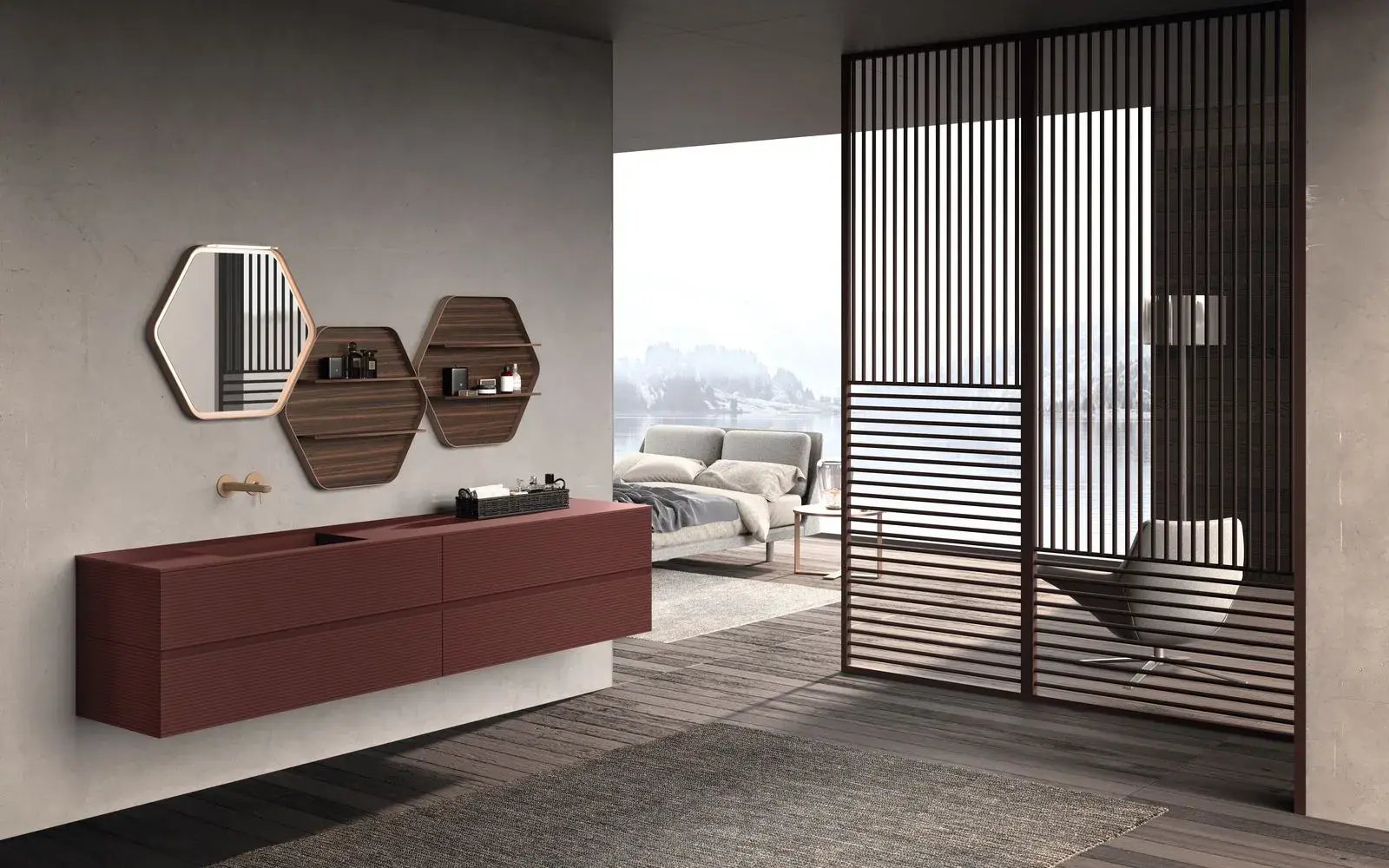
The most common mistake is prioritizing appearance over performance and material suitability. A beautiful vanity may fail if it uses poor substrates, weak hardware, or finishes that cannot handle humidity. Luxury bathroom furniture requires moisture-resistant materials designed for high-humidity environments, and that requirement should never be ignored.
Another mistake is choosing trend-driven designs exclusively without considering longevity. A dramatic color, extreme shape, or highly decorative surface may feel exciting today but date quickly. Trends can be fun, but they should be balanced with timeless materials, clean lines, and refined proportions.
Many homeowners also underestimate customization opportunities for functionality and design cohesion. Custom bathroom furniture can include bespoke sizes and colors, hidden storage, integrated organizers, and tailored drawer layouts. Without customization, the room may lose valuable storage or feel disconnected from the architecture.
Overlooking craftsmanship and construction quality can lead to hidden long-term costs. Poor joinery, thin materials, weak drawer slides, and low-quality hardware may cause misalignment, swelling, peeling, or premature replacement. In luxury bathroom designs, fine-furniture construction with bespoke finishes should be a baseline expectation.
Finally, do not ignore maintenance. Natural stone may need sealing, wood may need appropriate care, and metal finishes may require gentle cleaning. Even fixtures like luxury toilets designed for modern bathrooms perform best when their finishes are cared for appropriately. The right material is one that suits not only the design vision, but also the client’s lifestyle.
Frequently Asked Questions About Luxury Bathroom Furniture
Is luxury bathroom furniture worth the investment?
Yes, when it improves function, durability, and long-term beauty. Luxury bathroom furniture often uses better materials, stronger construction, premium hardware, and tailored storage. It can elevate daily routines, support property value, and reduce replacement costs over time.
What materials are best for luxury bathroom furniture?
Solid hardwoods, marine-grade engineered plywood, high-pressure laminate, Fenix, natural stone, quartzite, marble, quartz, and corrosion-resistant metals are strong options.
Can luxury bathroom furniture be customized?
Yes. Vanities can be crafted to exact specifications including size and finish. Custom bathroom furniture can include bespoke sizes and colors, drawer configurations, hidden compartments, integrated organizers, and coordinated mirrors or cabinets. Customizable bathroom cabinetry can be built in 10-12 weeks in most cases.
Why is Italian bathroom furniture so highly regarded?
Italian bathroom furniture is admired for craftsmanship, clean lines, refined proportions, and innovation. It combines elegance with practicality and often treats the bathroom as a complete design system.
How long should luxury bathroom furniture last?
Well-made luxury bathroom furniture should last for many years and often decades with proper care. Longevity depends on construction, moisture resistance, hardware quality, finish durability, installation, and maintenance.
What's the difference between modular and custom bathroom furniture?
Modular furniture uses flexible components that can be combined in many ways. Custom furniture is made to specific dimensions, finishes, and requirements.
How do I maintain luxury bathroom furniture finishes?
Use gentle cleaners, wipe water promptly, avoid abrasive pads, and follow care instructions for wood, lacquer, metal, and natural stone. Marble and some natural stone surfaces may require resealing. Proper ventilation also helps protect the furniture from excess humidity, and partnering with brands known for modern luxury bathroom products and service can provide additional guidance on long-term care.
Conclusion: Investing in Luxury That Lasts
Luxury bathroom furniture is defined by more than beauty. The best pieces combine customization, craftsmanship, premium materials, refined finishes, Italian design influence, and long-term durability. They create a bathroom that feels elegant, calm, and functional every day.
Longevity should be a key purchasing consideration. Furniture that can endure humidity, daily use, and changing design preferences offers stronger value than furniture selected only for immediate visual impact.
For any bathroom project, the goal is to create a space that reflects the client’s vision while supporting real life. Choose materials that age well, storage that keeps clutter out of sight, hardware that performs smoothly, and proportions that complement the architecture. With the right team, showroom guidance, and product knowledge, luxury bathroom furniture can transform a room into a timeless sanctuary built to last.