
%20(1).jpg?width=5327&height=3995&name=Urban%20Standard%20Height%20-%20Low%20Height%20-%20offset%201a%20(2)%20(1).jpg)
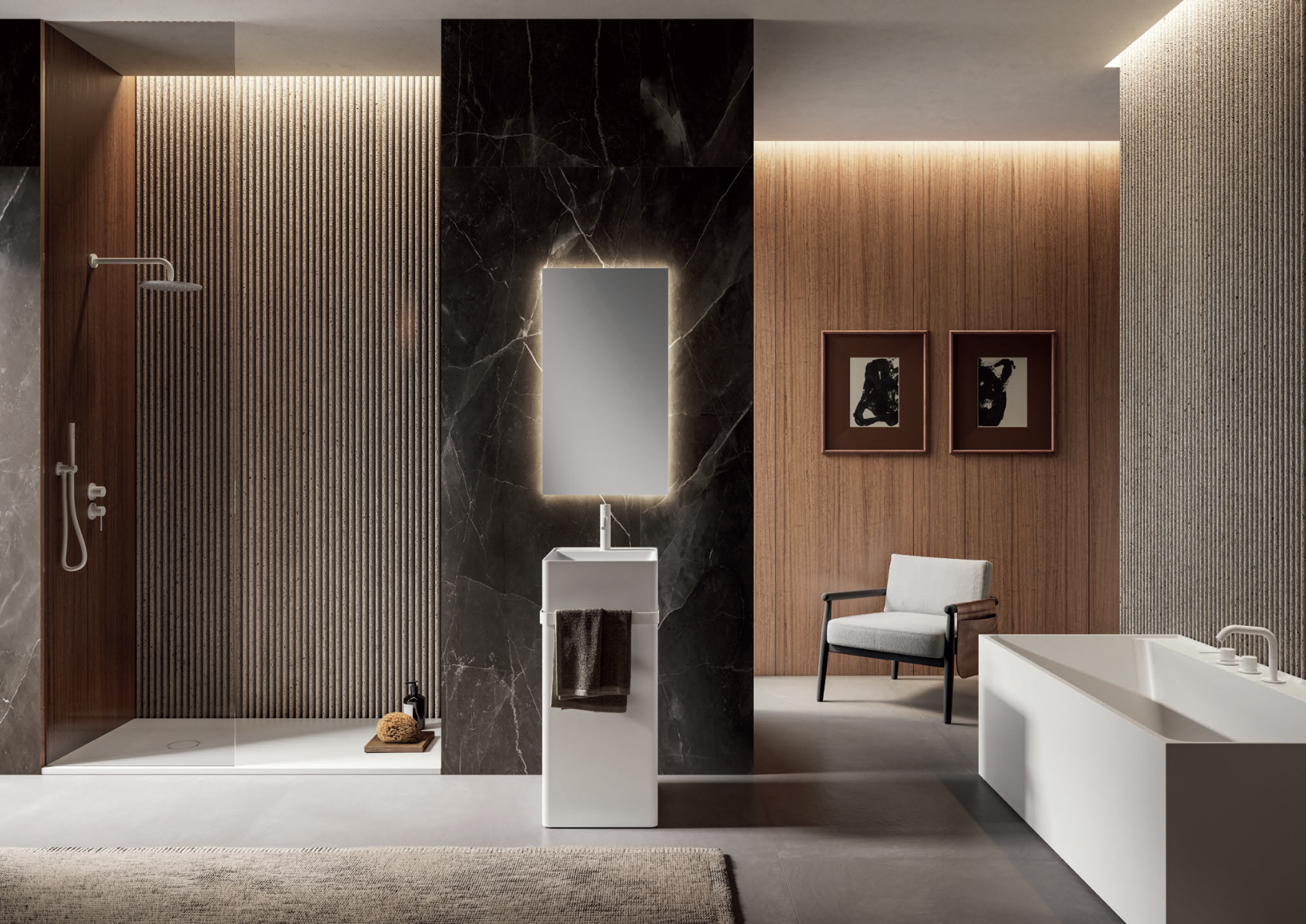
A luxury spa bathroom is a serene, restorative space shaped by minimalist design, refined materials, and elevated fixtures that transform daily routines into a calming experience.
For homeowners, interior designers, and architects planning a high-end bathroom, a few essential design principles can help bring that vision into focus. It starts with balance, proportion, and the art of minimalism, then builds through thoughtful lighting, natural materials, functional storage, and personalized elements that enhance both comfort and usability.
Whether you envision a spacious bathroom with a natural palette or an ultra-modern retreat, these spa bathroom dos and don’ts can help you create a space that feels cohesive, functional, and beautifully resolved.
The Foundations of Good Design
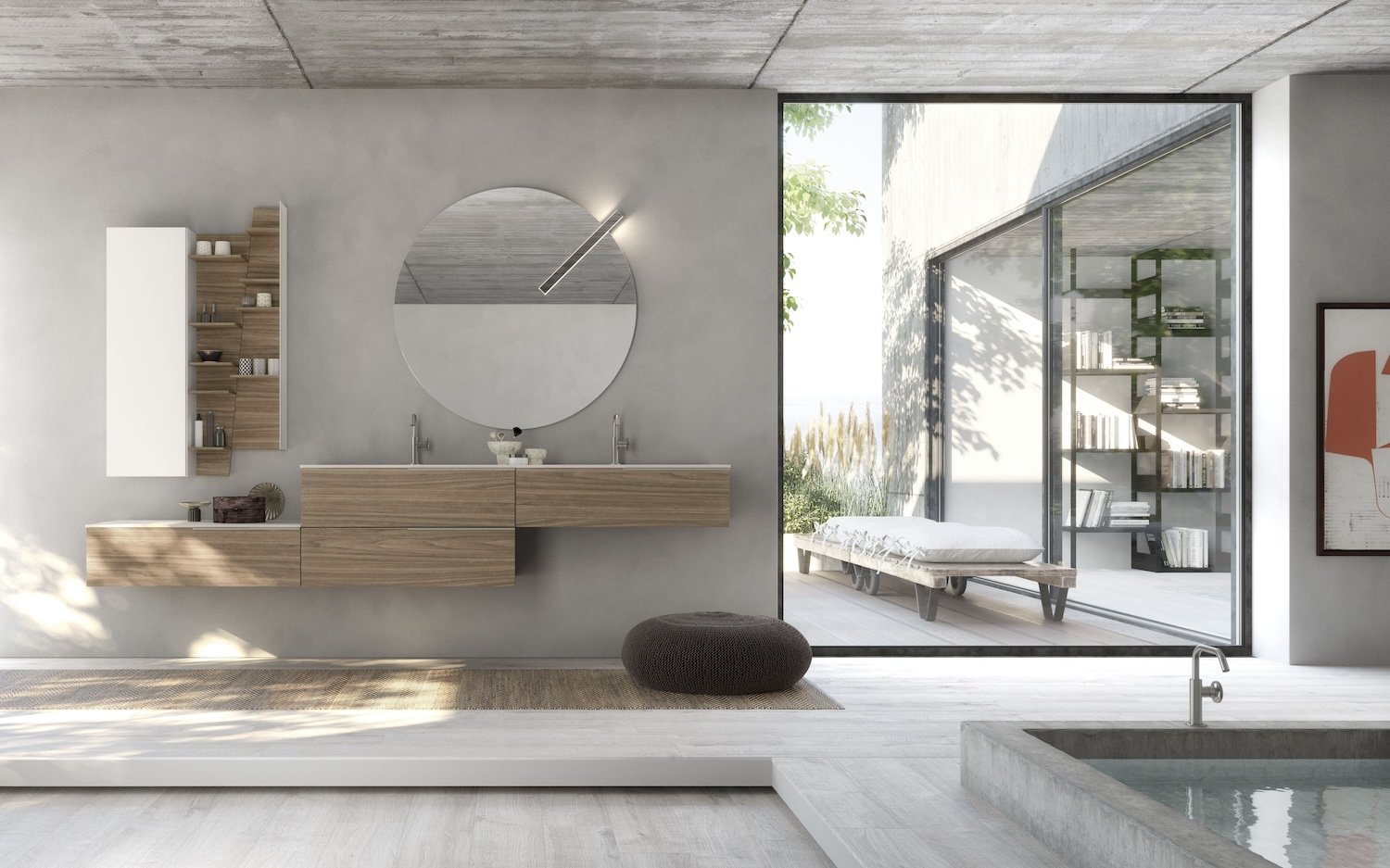
Many of the core principles of interior design also apply to bathroom design. Balance, proportion, and unity are especially important when creating a spa-like environment that feels calm rather than crowded.
Do: Create Balance
Arranging fixtures, furnishings, and accessories within the available footprint requires careful balance. Proper spacing allows each element to breathe and helps maintain a comfortable visual flow throughout the room.
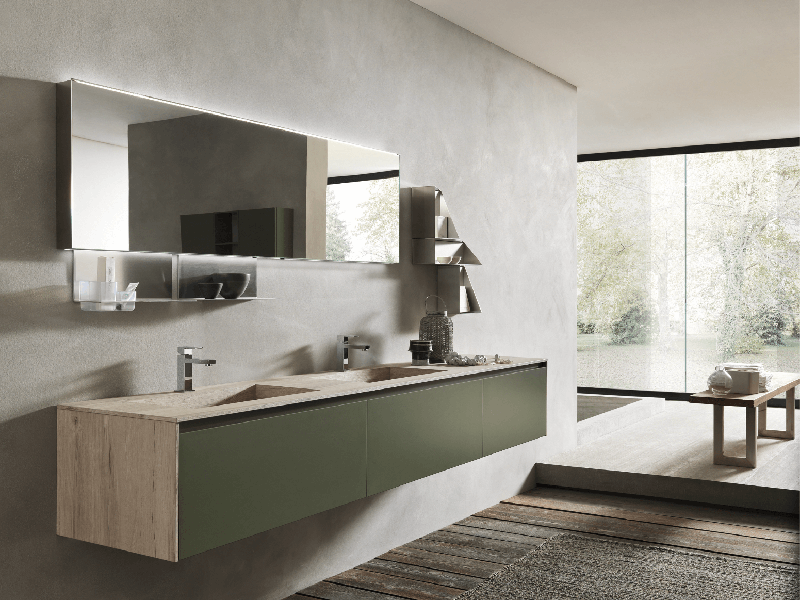
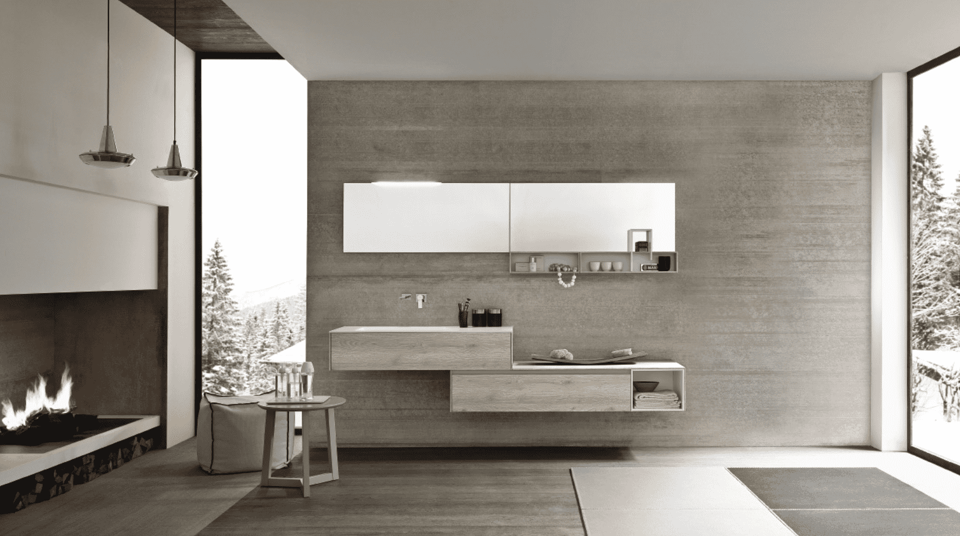
In smaller bathrooms, strategically placed mirrors can reflect natural light and create the perception of a larger, more open space. A floating vanity can also help expose more of the floor, contributing to a lighter and airier appearance.
Don’t: Overfill the Room
Even beautiful fixtures can feel overwhelming when too many elements compete for attention. Avoid filling every wall, corner, or countertop simply because space is available.
Leaving intentional areas of negative space can make the room feel more luxurious and allows key design features to stand out.
Do: Consider Proportion and Scale
Proportion describes how individual elements relate to one another, while scale refers to their size in relation to the room.
An oversized vanity may overwhelm a compact bathroom, while a small mirror positioned above a large vanity can feel visually disconnected. Selecting fixtures and furnishings that suit the room’s dimensions creates harmony and improves functionality.
Light finishes, wall-mounted vanities, and appropriately scaled mirrors can help a smaller bathroom feel more expansive without sacrificing storage or style.
Don’t: Select Fixtures in Isolation
Every component should be considered as part of the complete room. A bathtub, vanity, shower system, mirror, and lighting fixture may each be attractive independently, but they must also work together in scale, form, and placement.
Reviewing the full layout before finalizing individual selections can help prevent costly design conflicts.
Do: Establish Unity
Create harmony through a cohesive design language in which each element complements the next. This does not mean everything must match exactly, but the colors, finishes, materials, and textures should feel intentionally connected.
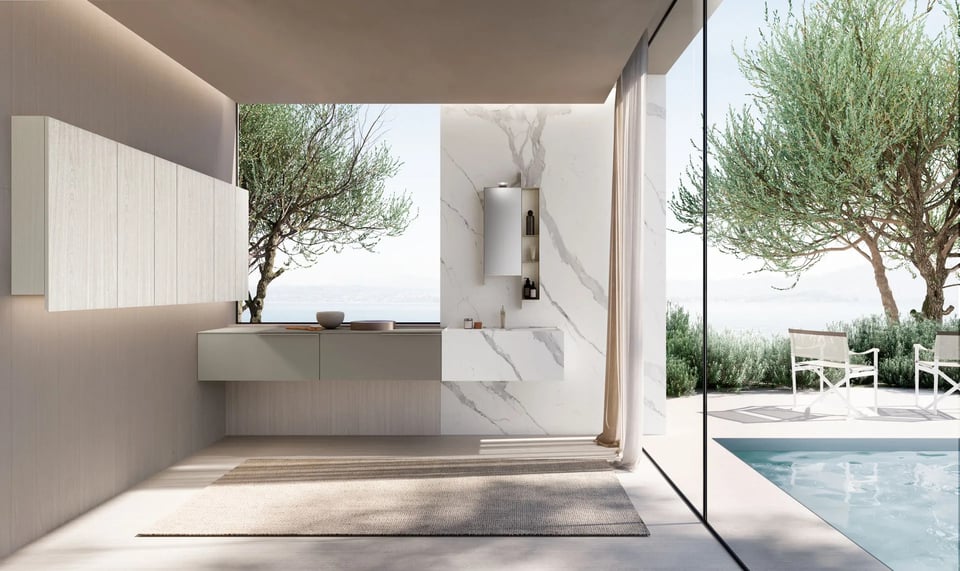
Natural stone, wood, marble, glass, and matte finishes can be layered to create depth and timeless elegance. Soft neutrals, earthy colors, and muted greens or blues inspired by nature can further reinforce a calm, spa-like atmosphere.
Don’t: Introduce Too Many Competing Finishes
Too many unrelated materials or metal finishes can disrupt the sense of tranquility.
Choose a focused palette and repeat key colors, finishes, and textures throughout the room. Subtle variation adds visual interest, but consistency is what gives the space a polished and unified appearance.
The Art of Minimalism to Create a Calming Atmosphere
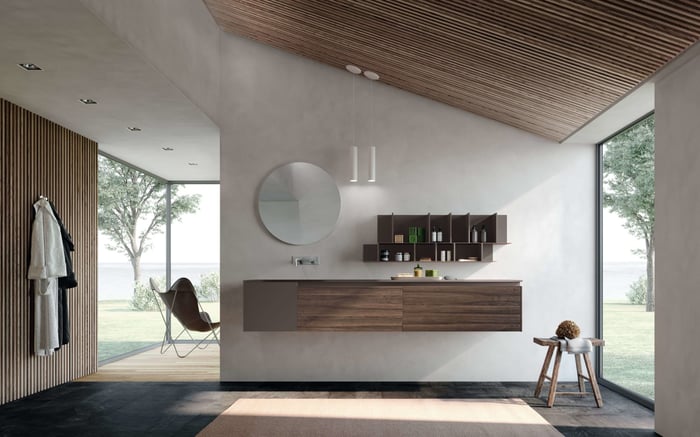
Minimalism and luxury are not mutually exclusive. In fact, many of the most luxurious bathrooms feel elevated because they are visually quiet, carefully edited, and designed around everyday comfort.
Do: Embrace Clean Lines
The less there is to distract the eye, the calmer the room will feel. Streamlined silhouettes, integrated features, and simple architectural forms create a refined backdrop for relaxation.
Minimalist bathroom design does not require the space to feel cold or empty. Warm materials, tactile surfaces, and thoughtful details can bring softness and personality to even the most contemporary bathroom.
Don’t: Overdecorate
Avoid filling the bathroom with decorative signs, themed accessories, or an excess of ornamental objects.
A spa-inspired room should feel natural and understated rather than overly styled. A few meaningful accessories, sculptural pieces, or organic accents will have greater impact than a large collection of decorative items.
Do: Incorporate Functional Storage
Reducing visual clutter is essential to creating a calm environment. Custom cabinetry, integrated drawers, recessed storage, and built-in shower niches keep daily essentials organized and within easy reach.
Storage solutions should support the way the bathroom is used while allowing countertops and open surfaces to remain clean.
Don’t: Leave Everyday Products Exposed
Crowded countertops, visible packaging, and overflowing shower shelves can quickly undermine the spa-like atmosphere.
Designate concealed or integrated storage for personal products, towels, and cleaning supplies so the room remains orderly and easy to maintain.
Do: Introduce Natural Materials
Natural materials add warmth, texture, and a connection to the outdoors. Wood accents, natural stone, marble, and textured ceramics can soften a minimalist room and prevent it from feeling sterile.
Use these materials selectively and consider how they will perform in a humid environment. High-quality finishes and proper installation are essential for maintaining their appearance over time.
Don’t: Sacrifice Durability
A material may look beautiful in a showroom but still be unsuitable for regular exposure to moisture, heat, or cleaning products.
Select materials that can withstand daily use while preserving the appearance and atmosphere you want to create.
Using Color, Texture, and Lighting to Create Serenity
Color, texture, and light help establish the emotional tone of a spa bathroom. These elements should work together to create softness, depth, and a sense of calm.
Do: Choose a Restful Color Palette
Neutral colors can create a quiet foundation that allows the architecture and fixtures to take center stage. Warm whites, sand, taupe, soft gray, earthy green, and muted blue can all contribute to a soothing environment.
A restrained palette can still feel expressive when it includes variations in tone, material, and texture.
Don’t: Assume Everything Must Be White
An all-white bathroom can feel fresh and timeless, but it can also appear cold when it lacks contrast or texture.
Introduce warmth through wood, stone, matte finishes, textiles, or softly colored cabinetry. Even subtle tonal variation can make the space feel more inviting.
Do: Layer Texture
Layering with texture creates visual depth without introducing unnecessary decoration. Stone surfaces, wood grain, fluted cabinetry, matte fixtures, soft towels, and woven accessories can all add character while maintaining a cohesive minimalist aesthetic.
The most effective combinations balance smooth and tactile surfaces without making the room feel busy.
Don’t: Combine Too Many Strong Patterns
Bold stone veining, patterned tile, textured cabinetry, and statement fixtures may each be beautiful, but using all of them together can create visual competition.
Choose one or two focal materials and allow the remaining finishes to support them.
Do: Layer the Lighting
Lighting is essential to both the function and atmosphere of a spa bathroom. Combine ambient lighting, task lighting, accent lighting, and natural light to create a flexible environment.
Task lighting near the vanity should provide clear, even illumination, while softer ambient and accent lighting can help the room transition into a more relaxing space in the evening.
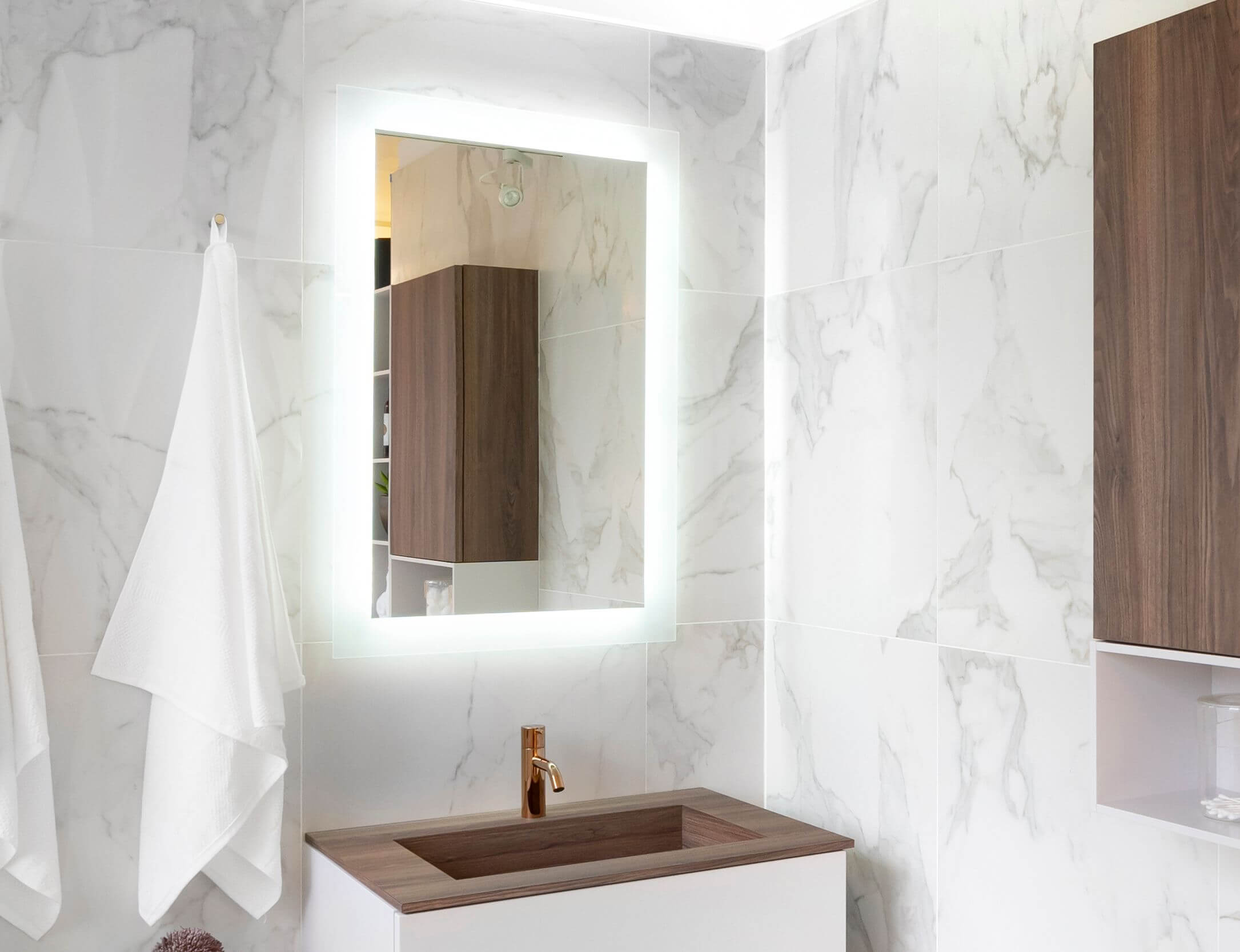
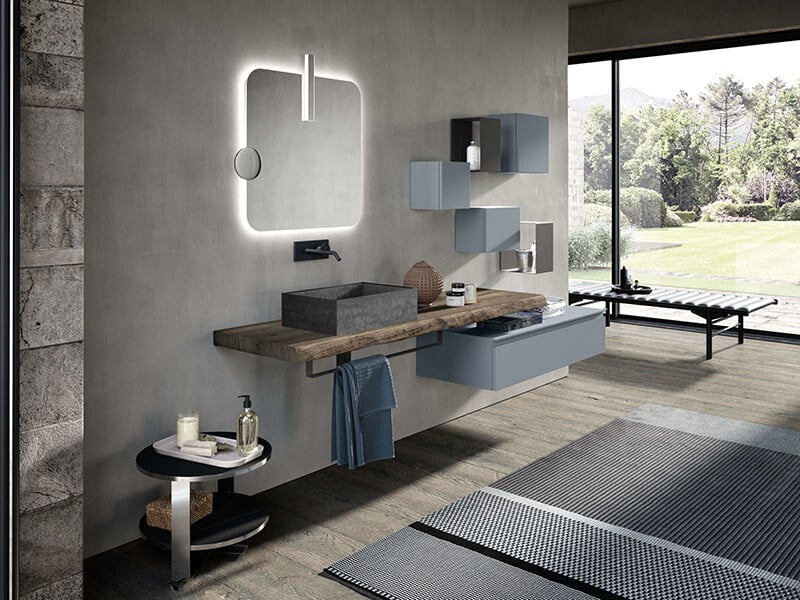
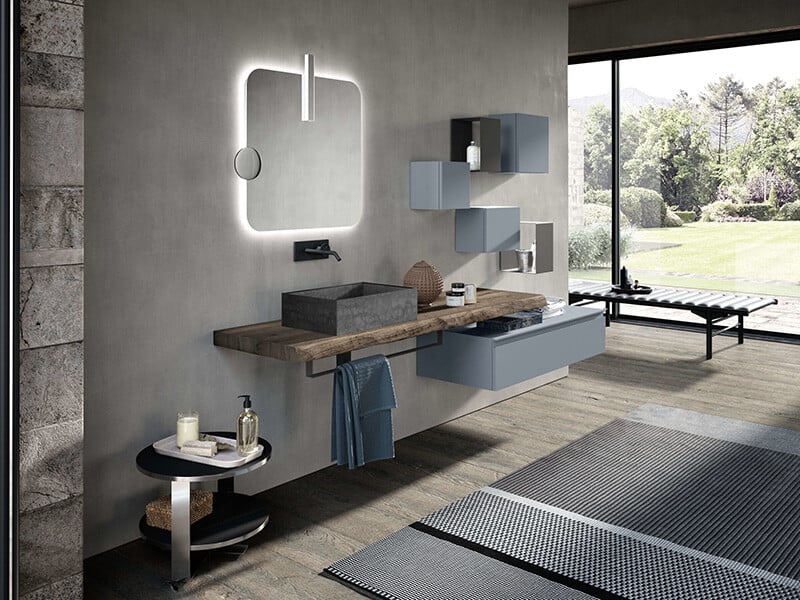
Backlit mirrors are especially effective because they provide gentle illumination while contributing to a streamlined, contemporary aesthetic.
Don’t: Rely on One Overhead Light
A single ceiling fixture can create harsh shadows and make the room feel flat or overly clinical.
Lighting at different heights and intensities creates greater depth and allows the mood of the room to change throughout the day.
Do: Bring Nature Indoors
Plants, fresh eucalyptus, natural scents, and organic textures can reinforce the connection between wellness and nature.
These additions should remain simple and intentional. A small arrangement of greenery or a carefully selected natural accent can be enough to soften the room and enhance the sensory experience.
Don’t: Let Wellness Accessories Become Clutter
Candles, diffusers, bath products, plants, and decorative trays can support a spa-inspired atmosphere, but too many accessories can quickly overwhelm the design.
Choose a few elements that genuinely enhance relaxation and store the rest out of sight.
Key Elements of a Spa Bathroom Retreat
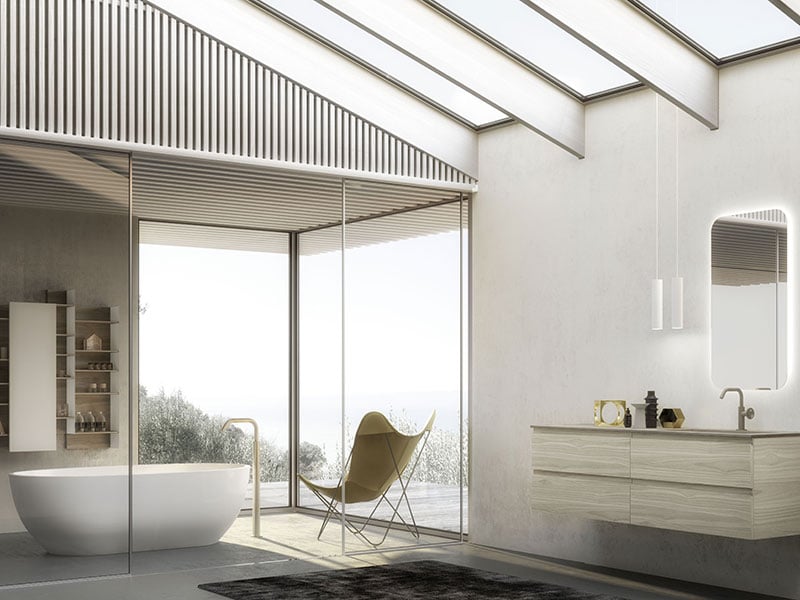
Once the foundational design is established, consider the fixtures and features that will shape the bathing experience.
Do: Create a Focal Point with a Freestanding Tub
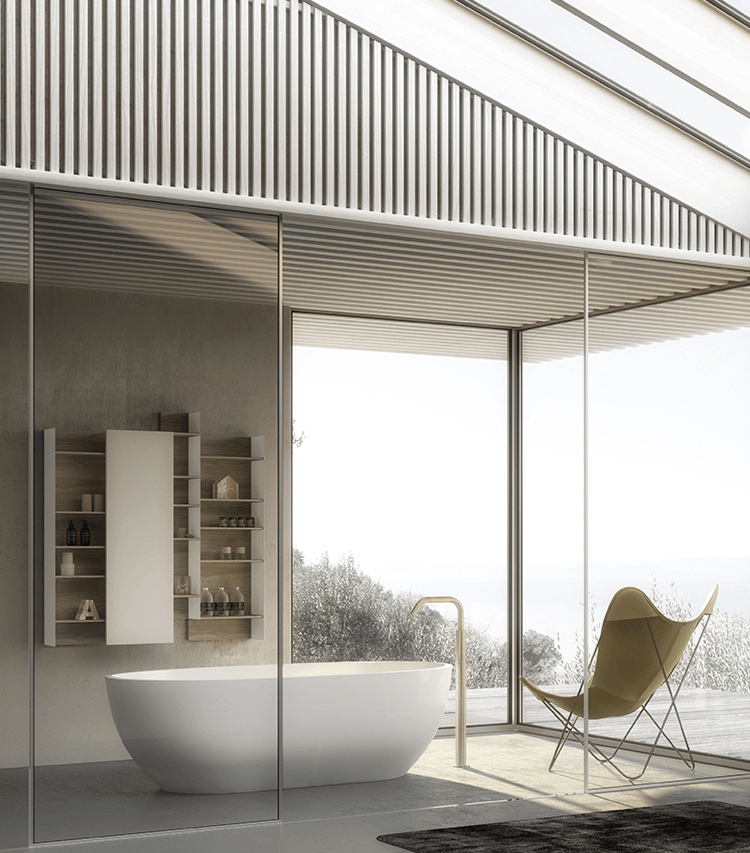
A freestanding soaking tub can become the sculptural centerpiece of the bathroom. Its placement can help organize the layout and establish a dedicated area for relaxation.
Allow enough space around the tub for comfortable movement and maintenance, and consider its relationship to windows, lighting, and nearby fixtures.
Don’t: Force a Tub into the Layout
A freestanding bathtub requires sufficient room to feel intentional. In a compact bathroom, forcing one into the plan may reduce circulation and make the room feel crowded.
A well-designed shower may provide a more luxurious and functional experience when space is limited.
Do: Elevate the Shower Experience
A walk-in shower with a rainfall function can create a relaxing, immersive experience. Pairing the rain shower with a hand shower adds convenience, flexibility, and everyday practicality.
Built-in niches, integrated seating, and thoughtfully placed controls can further improve comfort without interrupting the clean visual design.
Don’t: Prioritize Appearance Over Function
A shower should be easy to enter, comfortable to use, and simple to maintain. Consider water pressure, drainage, control placement, accessibility, and storage before focusing solely on appearance.
Luxury is most successful when the experience feels effortless.
Do: Add a Towel Warmer
Few details feel as indulgent as stepping out of the bath or shower and wrapping yourself in a warm, plush towel.
A minimalist wall-mounted towel warmer adds comfort while also serving as an architectural design element. Customizable configurations and finishes can help it integrate seamlessly with the rest of the bathroom.
Don’t: Treat Accessories as an Afterthought
Towel bars, robe hooks, shelving, and other accessories should be planned alongside the primary fixtures.
Their placement affects both function and visual balance, particularly in a minimalist space where every element is more noticeable.
Do: Consider Heated Flooring
Radiant heated flooring adds another layer of comfort, especially in colder climates. It can make the bathroom feel warm and inviting without introducing visible equipment or additional visual clutter.
Don’t: Overlook Practical Requirements
Heated floors, towel warmers, backlit mirrors, and advanced shower systems may require electrical work, plumbing coordination, or specific installation conditions.
Planning these features early helps ensure they are incorporated safely and seamlessly.
Do: Select High-Quality Fixtures
Fixtures are among the most frequently used elements in a bathroom. Faucets, shower systems, vanities, mirrors, accessories, and lighting should provide reliable performance while contributing to the overall design.
Refined materials, precise engineering, and expert craftsmanship can elevate the everyday experience and help the bathroom maintain its beauty over time.
Don’t: Follow Trends Without Considering Longevity
A spa bathroom should feel restorative for years, not just until the next design trend appears.
Select forms, materials, and colors that reflect your personal aesthetic and the architecture of the home rather than relying entirely on what is currently popular.
Incorporating Hastings Bath Collection
Hastings Bath Collection products can elevate a spa bathroom with personalized elements tailored to the room, the user, and the overall design vision.
Our carefully curated collections offer robust color palettes, high-quality materials, customizable configurations, and expert craftsmanship. From floating vanities and custom cabinetry to sculptural sinks, backlit mirrors, towel warmers, fixtures, and accessories, each element can be selected to support both the aesthetic and functional goals of the space.
Coordinated finishes and thoughtful material combinations allow designers and homeowners to create continuity throughout the room while still introducing individual character. Whether the vision includes natural textures, sophisticated neutrals, expressive color, or ultra-minimal forms, Hastings Bath Collection provides the flexibility to create a bathroom that feels distinctly personal.
Our team is here to help you navigate configurations, materials, color combinations, and design possibilities so you can create a luxury spa bathroom that supports relaxation, functionality, and everyday well-being.
Talk to a Hastings Bath Collection design specialist today to get started.